Does bilingualism provide a protective barrier against dyslexia in learning?
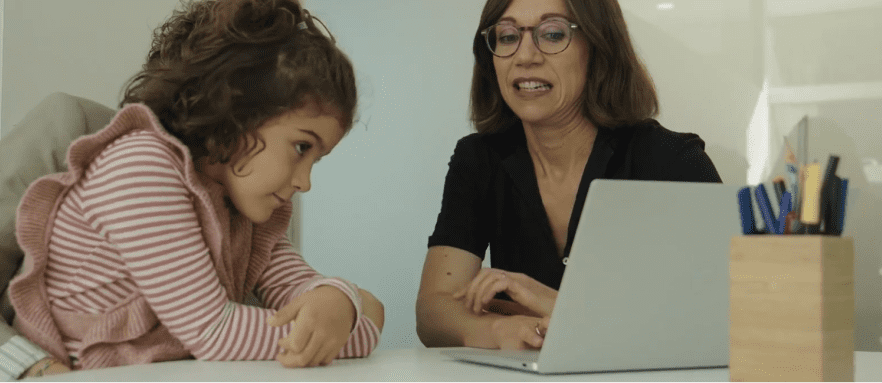
The BCBL research centre is leading the ambitious ‘Bibalance’ project, funded by the European Commission
The initiative is currently recruiting bilingual children who speak Basque and Spanish and are in their final year of nursery school, with dyslexic family members
The young participants will attend the laboratories in three stages of learning to analyse the role of bilingualism in the development of reading
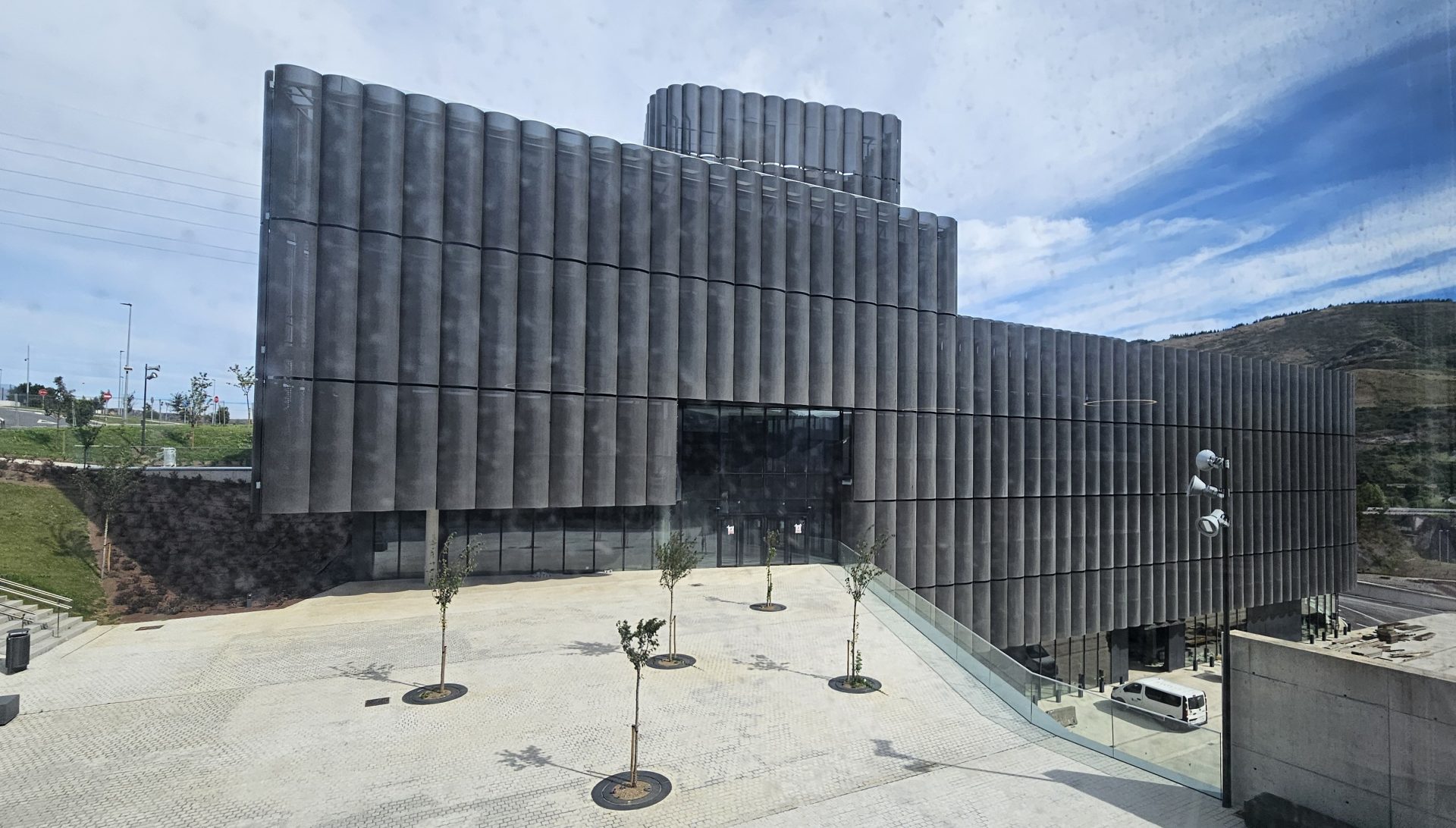
The Donostia Basque Centre on Cognition, Brain and Language (BCBL) research centre has launched an ambitious research project, funded by the European Commission, which aims to analyse the role of bilingualism as a protective barrier against dyslexia.
Preliminary studies provide evidence in this regard. In an experiment with children who are bilingual in Basque and Spanish, those who had been more exposed to a bilingual environment from an early age showed better reading performance. Furthermore, scientific literature has found similarities between the brain structure of bilingual and dyslexic people.
The Bibalance initiative was created with the aim of shedding some light on this paradox in a five-year research project. It is currently in the process of recruiting bilingual children who speak Basque and Spanish in their final year of nursery school and who have dyslexic relatives.
“Our data shows that when we grow up in a bilingual environment and are exposed to different languages in the same context from infancy, our brains develop differently and we observe better reading skills. Now we want to demonstrate that this exposure can also help mitigate the risk of developing dyslexia,‘ says Marie Lallier, Ikerbasque Professor and leader of the BCBL’s ’Neuroeducation and Developmental Disorders” group.
The young volunteers will attend the centre in three stages of learning: final year of nursery school, first year of primary school, and second year of primary school. In each cycle, they will undergo three testing sessions tailored to their specific needs.
They will watch films or listen to stories while their brain signals are recorded using the non-invasive neuroimaging techniques available at the centre’s laboratories. These technologies, such as magnetoencephalography, will allow researchers to observe, with high temporal resolution, how the brain responds to linguistic stimuli.
‘We will take a photograph of each child’s brain structure so that we can visualise the white matter, i.e. the neural connections, how they are and how they develop, and whether there is any relationship with their bilingualism and, of course, with their reading and language skills,’ adds Lallier.
In addition, some tasks, such as language and attention games, will be carried out outside these machines that measure brain activity to assess different cognitive and language skills. The tests will help the BCBL team analyse the genetic risk of dyslexia in children.
‘To a greater or lesser extent, we all share the risk of developing reading problems such as dyslexia during learning. And this risk is, in part, genetic,’ adds Marie Lallier.
The challenge is to find early compensation strategies that children at risk of dyslexia can develop to adapt to future language difficulties.