TERACARD: a pioneering project to promote new technologies for cardiometabolic health and longevity
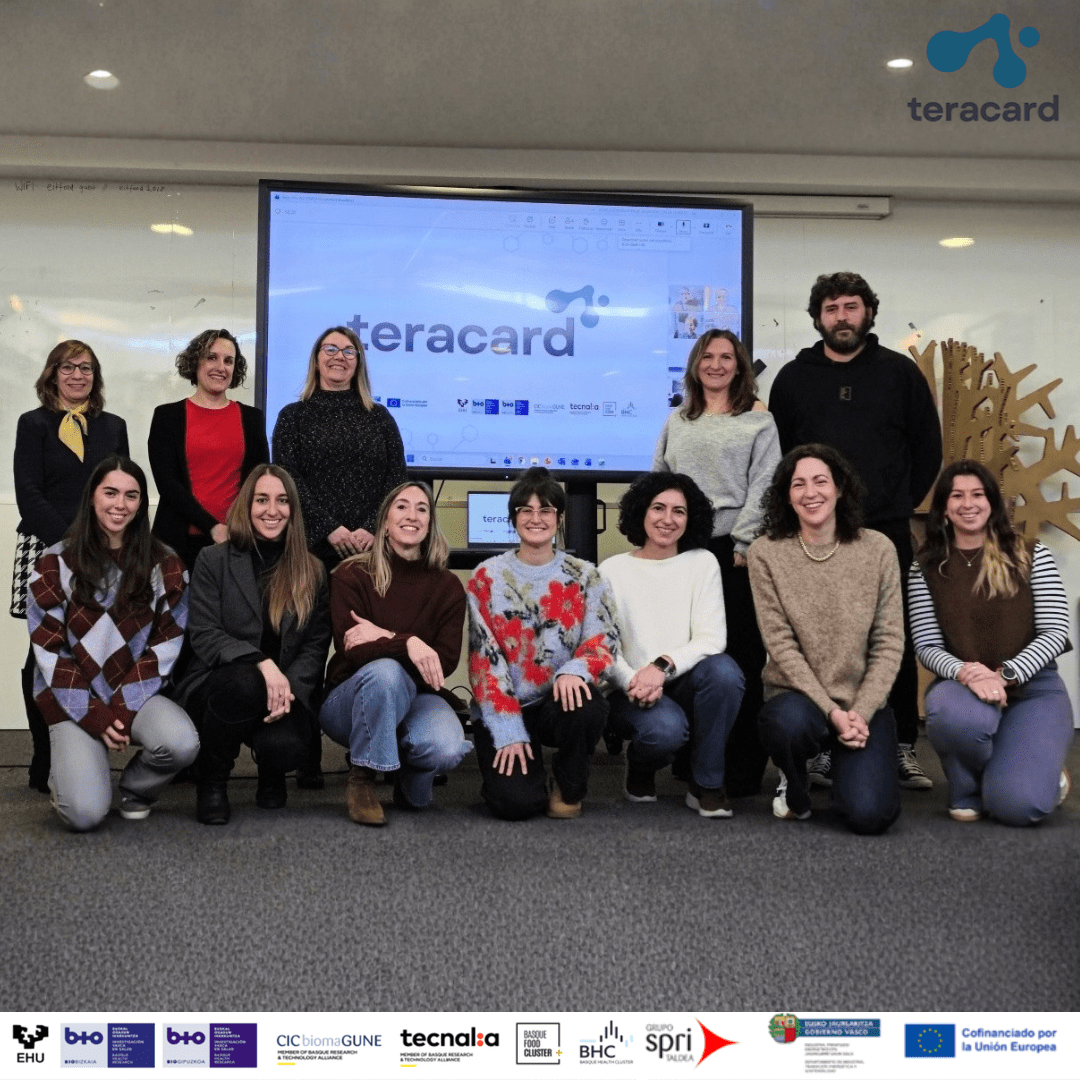
The TERACARD project is progressing towards its goal of increasing knowledge to drive advances in vehicle and controlled release technologies that improve the absorption, bioavailability and efficacy of bioactive compounds aimed at preventing and treating highly prevalent diseases, such as cardiometabolic pathologies, hepatic steatosis and type 2 diabetes.
The initiative was created with a clear focus on health and social impact, committing to applied research as a means of contributing to greater longevity in good health. TERACARD addresses key biological processes related to energy metabolism, mitochondrial function and ageing monitoring, with the aim of generating new intervention strategies for age-related chronic diseases.
The project is driven by a leading multidisciplinary consortium comprising TECNALIA, the Department of Pharmacy and Food Sciences of the University of the Basque Country / Euskal Herriko Unibertsitatea (EHU), CIC biomaGUNE, the BIOGIPUZKOA Health Research Institute and the BIOBIZKAIA Health Research Institute. It also has the support of BASQUE FOOD CLUSTER and Basque Health Cluster, reinforcing its alignment with the scientific, technological and industrial ecosystem of the Basque Country.
From a scientific and technological point of view, TERACARD focuses on the design of advanced oral formulations based on bioactive compounds of high biomedical interest, such as 2-deoxy-D-glucose (2DG), betanin and a polyphenolic extract from grapes. To this end, the project investigates innovative delivery systems, including empty LAB (lactic acid bacteria) cells, lipid nanoformulations, and micro- and nanofibres, aimed at improving the gastrointestinal stability, intestinal absorption, and systemic action of these compounds.
The project involves the development and validation of advanced analytical methods based on chromatographic techniques and targeted metabolomics, as well as the genetic and functional characterisation of LAB bacteria, with the aim of selecting strains with high load capacity, stability and adhesion to the intestinal epithelium. It will also address the validation of formulations in combination with different dietary regimes, analysing their impact on metabolic, mitochondrial and ageing parameters.
As a result, TERACARD expects to generate high-impact scientific and technological advances, including the development of new nanoformulations with improved biopharmaceutical and pharmacokinetic properties, the identification of therapeutic biomarkers to monitor response to treatments, the development of the DGIF biomarker for monitoring ageing, and the analysis of the interaction between metabolic profile and microbiota as a basis for future personalised therapeutic and nutraceutical interventions. The study of differentiated responses between females and males will also provide relevant information for the advancement of precision medicine.
With TERACARD, the participating entities are working in a coordinated manner to position the Basque Country as a benchmark in preventive medicine and personalised health through progress in research on advanced controlled release technologies, metabolism, microbiota and biomarkers, contributing to the development of innovative solutions aimed at preventive, personalised and effective medicine, in line with the major health challenges of today and tomorrow.