BCMaterials develops nanomaterials that decontaminate and recover valuable elements from water
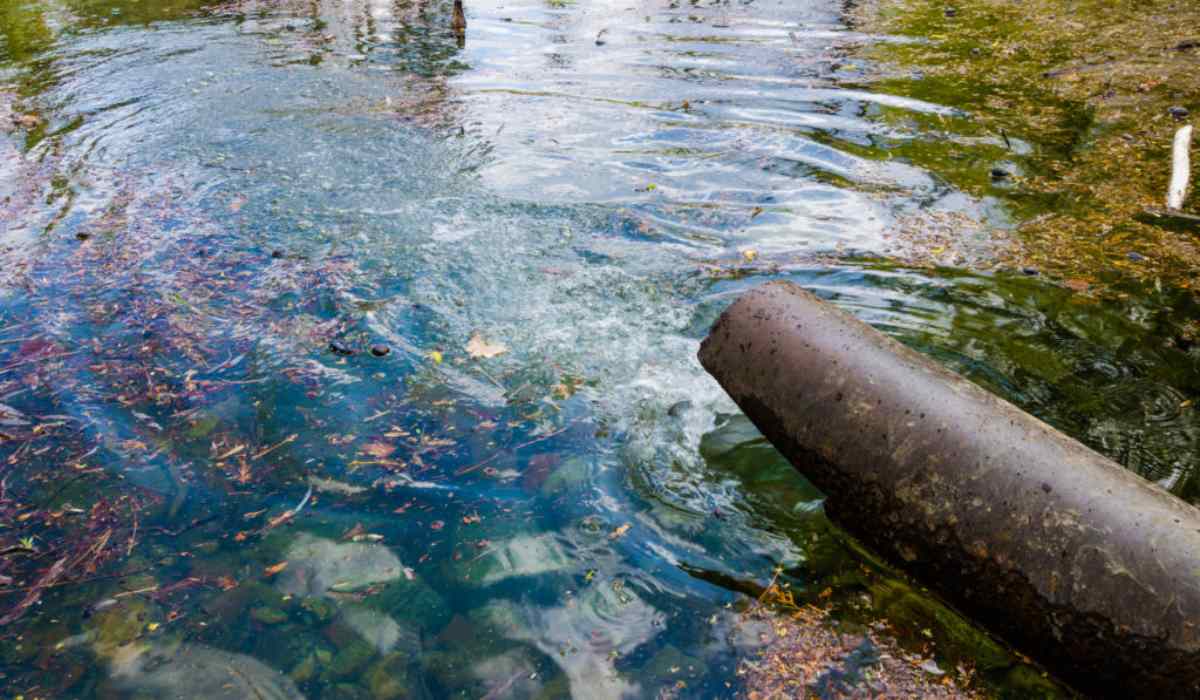
Naturally sourced membranes, combined with state-of-the-art nanomaterials, remove contaminants from water, such as antibiotics and heavy metals
The membranes are also designed to recover critical materials present in water, such as rare earths, lithium and cobalt, which are key to industries such as electronics and energy
Scientific staff at BCMaterials develop state-of-the-art nanomaterials of natural origin for water decontamination and recovery. These new materials are not only capable of removing emerging contaminants such as antibiotics and heavy metals such as arsenic, but also of recovering critical, high added-value elements for industrial use, such as rare earths, cobalt and lithium. This research has a major positive impact on aspects such as the environment, human health and the economy.
BCMaterials’ work in this field is part of two European projects: MERLIN and SELFAQUASENS, developed in collaboration with several international partners. Both projects aim to create membranes/filters based on naturally occurring polymers and functionalised with nanomaterials to either absorb or degrade them.
Sunlight to convert emerging pollutants into H2O
“In the MERLIN project, we are working on membranes that use sunlight to degrade emerging pollutants in water, such as antibiotics and antibiotic-resistant bacteria. One of the great innovations of the project is that we use nanoscale engineering to design semiconductor materials based on abundant and inexpensive metal oxides. These materials are photocatalytic and, at the same time, generate heat themselves by absorbing solar energy, which accelerates the degradation of pollutants until they are converted into H2O,” says Maibelín Rosales, a scientist at BCMaterials responsible for the project.
Recovering critical materials for industry
The SELFAQUASENS project aims to integrate these MOFs into membranes capable of capturing heavy metals and, at the same time, recovering elements that are critical for industry due to their scarcity, such as rare earths, lithium and cobalt, which are present, for example, in all our everyday electronic devices.
“The membranes developed by the SELFAQUASENS project also have the ability to monitor filtration to optimise the water treatment process. In the project, we are testing the membranes in water naturally contaminated with arsenic, acidic copper mining water, and lithium-rich saline water. In our environment, they would be an ideal complement to standard water treatment processes, enabling the elimination of persistent contaminants such as PFAs, which are very harmful to the environment and health,” explains Roberto Fernández de Luis, principal investigator of the project at BCMaterials.
The presence of antibiotics and antibiotic-resistant bacteria in drinking water is a major public health problem, and projects such as MERLIN are essential to alleviate it. It is estimated that 35,000 deaths related to antimicrobial diseases occur in Europe each year, and by 2050 this figure could reach 10,000,000 deaths annually worldwide.