CIDETEC Energy Storage to drive the development of new intelligent tools to improve electric vehicle safety after an accident
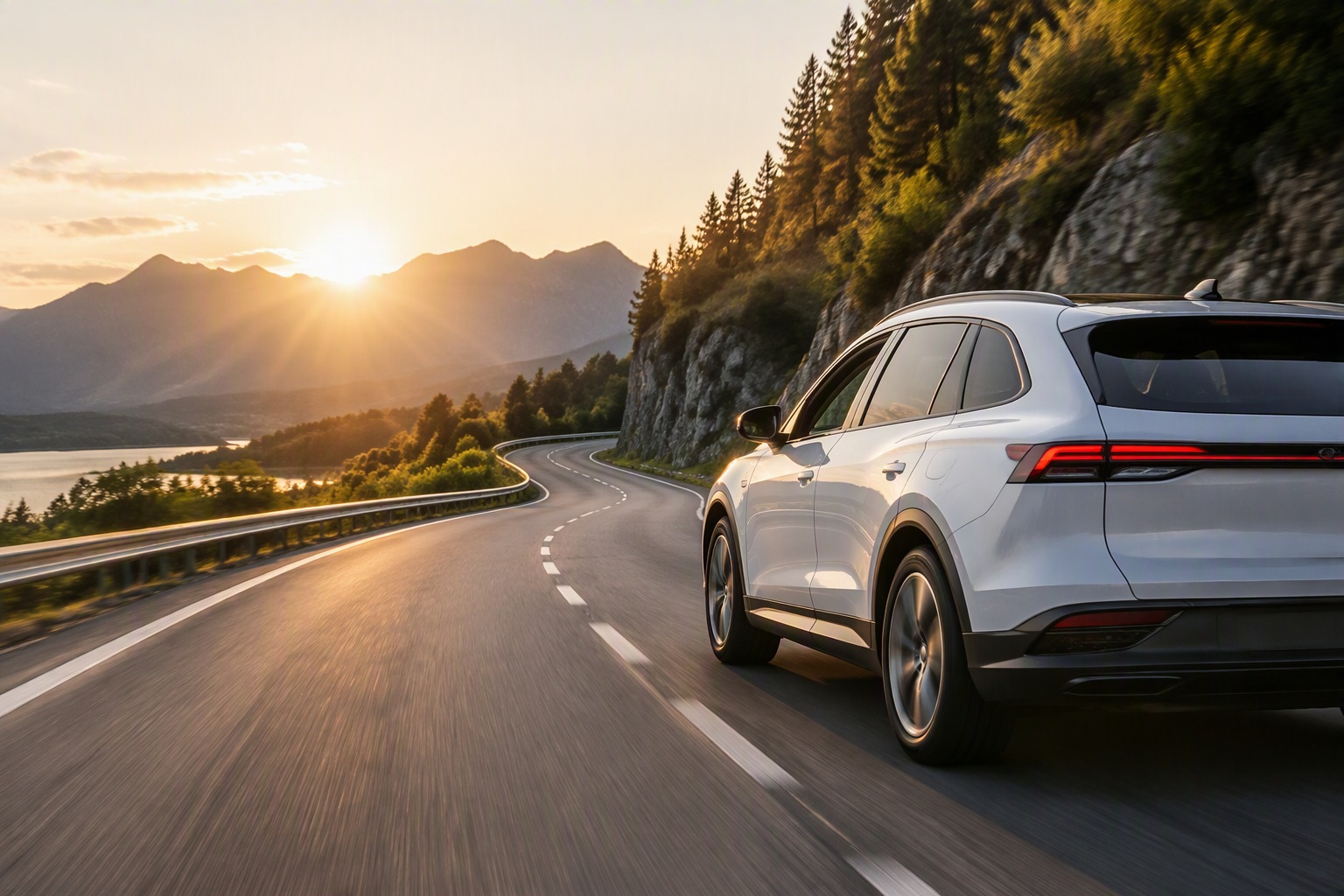
The European SOCRATES project will develop advanced systems to detect risks in damaged batteries at an early stage and assess their safety status.
The international consortium brings together 12 partners, including key players in the European automotive industry such as Audi, Volkswagen and AVL, and aims to enable emergency services to respond more quickly and effectively.
Electric mobility is already part of everyday life, and its adoption is set to continue growing in the coming years. Alongside the technological advances driving this transformation, there is also a growing need to develop new tools and procedures to manage exceptional situations safely, such as road traffic accidents involving electric vehicles.
SOCRATES is a European project funded by Horizon Europe and part of 2Zero, the European public-private partnership driving the development of zero-emission transport technologies. The project brings together an international consortium of 12 partners, including key players in the European automotive industry such as Audi, Volkswagen and AVL, alongside technology centres, testing organisations and emergency services. Coordinated by CEA, the initiative will develop new solutions to detect potential battery damage following an accident, anticipate risks such as thermal runaway and provide key information to support decision-making during rescue operations.
To achieve this, the project will combine advanced sensing technologies, multiphysics models and intelligent algorithms capable of determining a battery’s State of Safety (SoS). This information will enable emergency teams to act more quickly and safely, while new methodologies will also be developed for cooling damaged batteries and managing potential fires.
CIDETEC Energy Storage will play a key role in leading the development of the SoS methodology and algorithms. The centre will work to deepen understanding of battery degradation mechanisms, analyse signals from different sensors and develop algorithms capable of identifying critical phenomena such as internal short circuits, lithium metal deposition and conditions that may precede thermal runaway.
In addition to improving electric vehicle safety following an accident, SOCRATES will also investigate how to assess battery condition to determine whether batteries can be reused, given a second life or recycled. Through its participation in this project, CIDETEC reinforces its contribution to developing technologies that will make electric mobility increasingly safe, sustainable and reliable.