GAIKER helps demonstrate the safety, nutritional quality and potential of alternative proteins
The Technology Centre has assessed the nutritional quality, bioavailability and various safety aspects of alternative protein ingredients and food products developed within the framework of the European LIKE A PRO project
GAIKER, a member of the Basque Research and Technology Alliance (BRTA), has played a significant role in the European LIKE-A-PRO project, an initiative funded by the European Union through Horizon Europe and focused on developing new sustainable and safe alternative protein sources for human consumption.
The project, coordinated by the National Centre for Food Technology (CNTA) and concluding this month, has brought together 42 organisations from 17 countries across different areas of the food value chain. Its aim has been to drive the development of innovative ingredients and products capable of contributing to more sustainable, resilient food systems adapted to the future nutritional needs of the population.
Within the framework of LIKE-A-PRO, GAIKER has led activities related to the evaluation of the nutritional quality, bioavailability and selected safety aspects of 12 alternative protein ingredients and 16 final food products developed by the consortium.
The Technology Centre has analysed a range of nutritional and safety parameters to characterise the protein ingredients and final products based on protein digestibility, essential amino acid composition, their bioavailability and the presence of certain antinutritional factors, with the aim of assessing protein quality and its potential nutritional value.
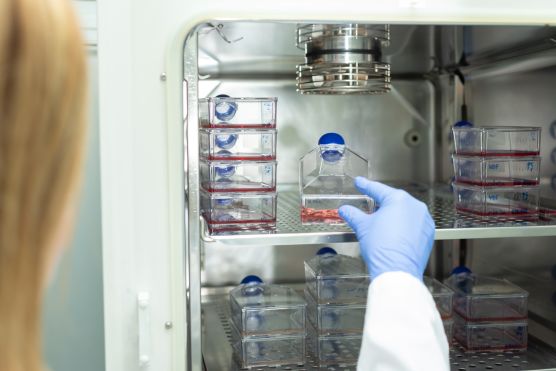
The in vitro studies carried out included mutagenicity and genotoxicity testing, allergenicity assessments, as well as simulated gastrointestinal digestibility and intestinal bioavailability studies using human intestinal epithelial cell models.
The experimental work was complemented by a comprehensive review of the European regulatory framework applicable to food safety and novel foods. This analysis enabled the identification of key regulatory requirements for the assessment of alternative protein ingredients and foods formulated from them. Integrating the experimental evidence with the regulatory analysis made it possible to refine the scientific strategy, focus on aspects covered by legislation and anticipate potential additional requirements relating to information, assessment, labelling or risk management.
However, the studies conducted constitute an early-stage assessment and do not, in themselves, imply the granting of regulatory approvals or the commercialisation of the ingredients and products evaluated.
In this context, the results obtained reinforce the potential of these new protein sources to contribute to a more sustainable food system without compromising the quality and food safety requirements necessary for their future introduction to the market.
Overall, the activities carried out within LIKE-A-PRO highlight the importance of incorporating nutritional characterisation, early safety assessment and regulatory analysis from the very first stages of developing new foods based on alternative proteins.