GAIKER takes part in the development of biodegradable controlled-release fertilisers for agricultural applications
The European BioCordelia project will develop new solutions based on lignocellulosic materials to improve fertiliser efficiency and reduce the environmental impact of conventional controlled-release systems.
GAIKER, a member of the Basque Research & Technology Alliance (BRTA), is participating in BioCordelia (Bio-based and Biodegradable Controlled Release Delivery Systems for Agricultural Inputs), a European project aimed at designing, developing and validating innovative controlled-release systems for fertilisers made from bio-based and biodegradable materials of lignocellulosic origin.
The growing use of controlled-release fertilisers (CRFs) reflects the need to improve nutrient-use efficiency and reduce nutrient losses in agricultural systems. However, most commercially available products use non-biodegradable polymer coatings that remain in the soil after application, contributing to the accumulation of microplastics and increasing their environmental impact.
BioCordelia has been launched to address this issue by developing new biodegradable materials capable of replacing conventional polymer coatings. Its aim is to prevent the generation and accumulation of microplastics in the soil and reduce nutrient leaching, while maintaining agronomic efficiency. To achieve this, the research will make use of underutilised secondary raw materials from European agricultural and forestry industries, creating new opportunities to add value to these resources.
The project involves the development of two types of innovative solutions based on bio-based and biodegradable materials. Bio-matrix systems use lignocellulosic matrices to produce granulated fertilisers that regulate nutrient release for up to two months. Bio-coating systems, meanwhile, involve applying biodegradable coatings to fertiliser granules, enabling nutrient release to be controlled for up to eight months. Both approaches aim to provide sustainable alternatives to conventional polymer coatings.
In addition to their use in controlled-release fertilisers, the project will investigate the potential application of these solutions in anti-caking coatings and seed protection.
BioCordelia is coordinated by VTT Technical Research Centre, will run for 42 months (2026–2029) and brings together ten organisations from five European countries. The project is co-funded by the Circular Bio-based Europe Joint Undertaking (CBE JU) under the Horizon Europe programme.
GAIKER’s role
GAIKER plays a key role in the BioCordelia project, leading the work package dedicated to the Safe and Sustainable by Design (SSbD) approach. Its work focuses on assessing the safety and sustainability of the materials and processes developed throughout their entire life cycle. To this end, the SSbD framework developed by the European Commission’s Joint Research Centre (JRC) will be applied, enabling a comprehensive assessment of potential risks to human health and the environment.
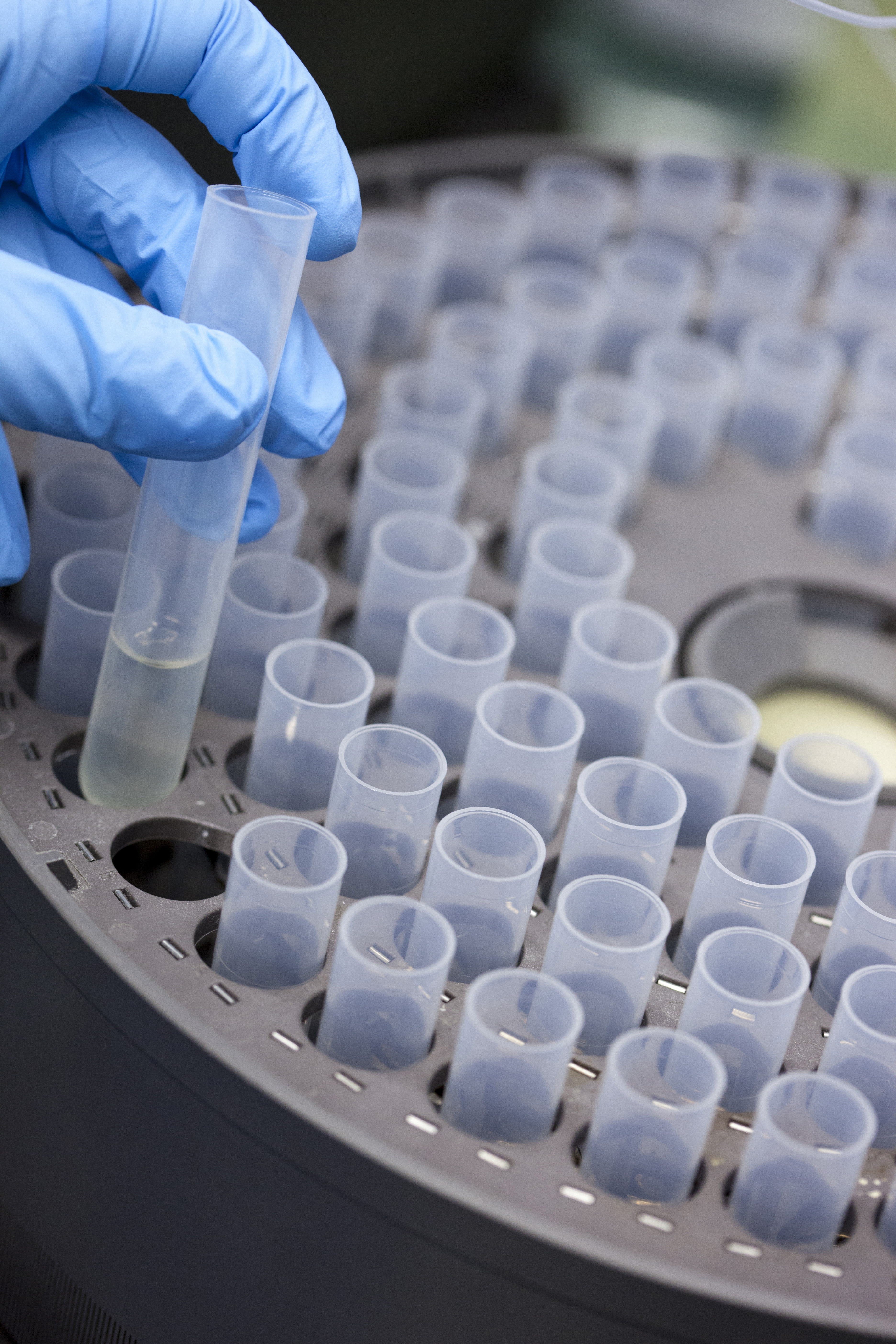
GAIKER’s planned activities include the ecotoxicity assessment of the biodegradation products generated at the end of the materials’ useful life, both in soil and in freshwater. The sustainability of the solutions developed will also be assessed from technical and economic, environmental and social perspectives.
Drawing on experimental evidence, GAIKER will contribute to defining SSbD-specific thresholds and criteria for bio-based materials and products intended for agricultural applications. In this way, the research aims not only to develop innovative and environmentally friendly solutions, but also to adapt and further develop the SSbD framework for these types of materials and applications.