A Basque longliner receives ICCAT award for providing data to support shark management

The recovery of a blue shark tagged by AZTI has earned the vessel a prize in ICCAT’s annual draw, which encourages collaboration between the fishing industry and the scientific community.
AZTI works with the fleet to generate knowledge about shark movements and provide information for the scientific advice underpinning their management.
Reporting these recaptures helps improve understanding of shark movements and provides a sound basis for management decisions.
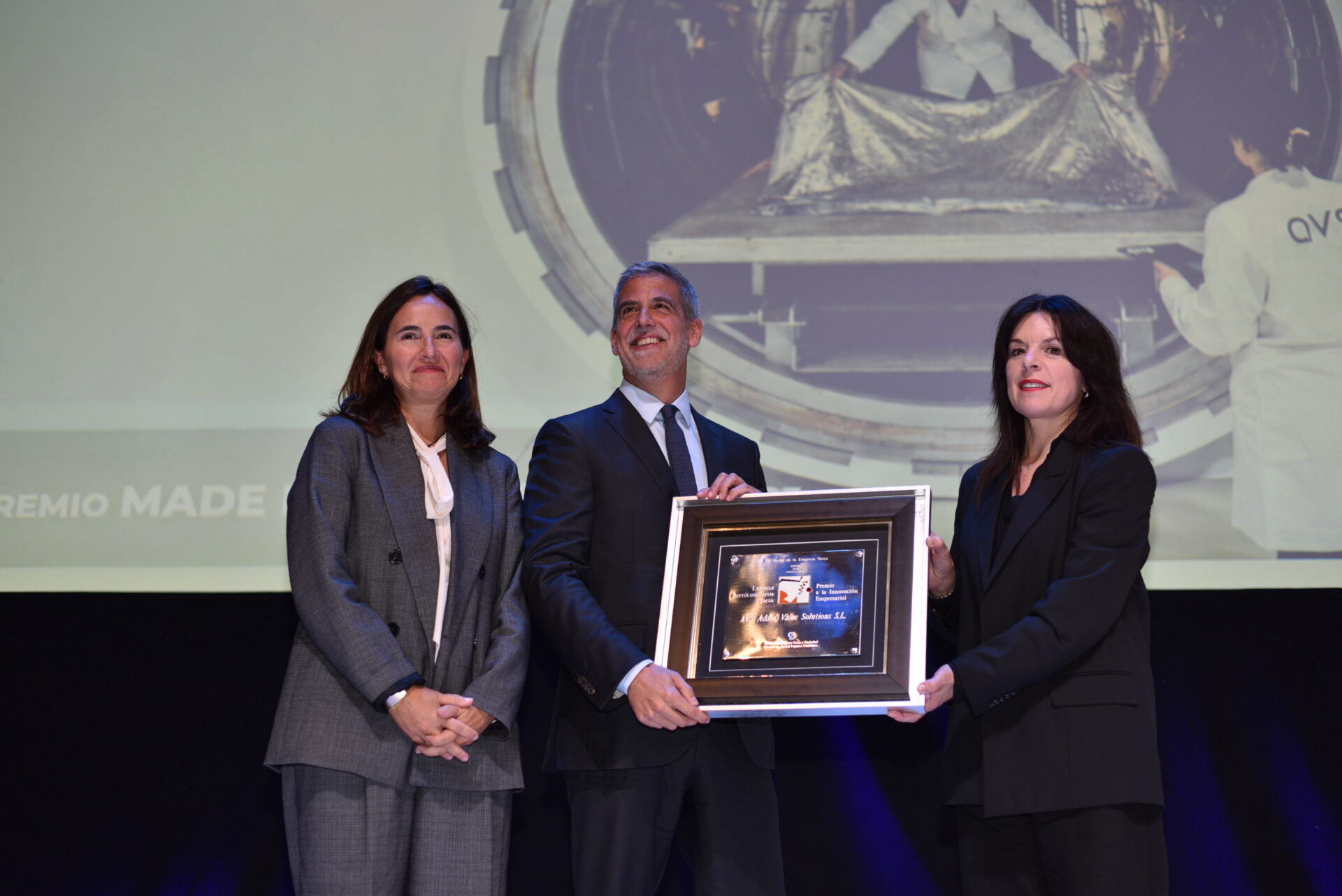
The Basque longliner Arlanpi, based in the port of Ondarroa, has won a prize in the shark category of the annual tag recovery draw organised by the International Commission for the Conservation of Atlantic Tunas (ICCAT), after reporting the recapture of a blue shark tagged by AZTI. The case illustrates the value of collaboration between fishing crews and scientific teams: a recovered tag provides information about the movements of a species and its interaction with fishing activity.
Through this draw, ICCAT encourages the fishing industry to participate in gathering data that contribute to scientific advice and the international management of marine resources. The initiative strengthens the collaboration needed to study species that range across vast areas of the ocean and whose monitoring requires observations from different fleets and research teams to be brought together.
The blue shark (Prionace glauca) was a female measuring 150 centimetres in total length, tagged by AZTI on 30 July 2024 at the edge of the continental shelf off Hondarribia as part of the Blueshark project. One month later, on 31 August 2024, it was recaptured off Bermeo. Reporting the recovery made it possible to link the two locations and add a new data point to the study of the species’ movements.
Data that help inform fisheries management decisions
The scientific value of tagging is built up by combining observations. Recapture dates and locations, together with the data collected when specimens are tagged, help researchers study which areas sharks use and how their distribution varies. Where comparable measurements are available, they can also provide information about growth.
By combining these records with other biological and fisheries data, researchers can make progress in identifying the areas and periods in which interactions between sharks and the fleet are greatest. This knowledge helps improve stock assessments and guide management measures adapted to the biology of the species and fishing activity.
For a species of interest to the longline fleet such as the blue shark, information about its movements provides a better understanding of its presence in fishing grounds. Collaboration by fishing crews extends the scope of research beyond scientific surveys and connects the sector’s day-to-day activities with the generation of knowledge that can inform management.
Connecting research and fishing activity to improve management
The Blueshark project studies the distribution and migration patterns of blue sharks and shortfin mako sharks in the Bay of Biscay, as well as their spatial and temporal overlap with the Basque fishing fleet. Its aim is to identify areas of interaction and generate knowledge that can help guide measures to reduce incidental catches and fishing mortality in these species.
To achieve this, AZTI combines its expertise in tagging programmes with the analysis of biological data and fishing activity. Ongoing collaboration with the professional fleet and recreational fishers makes it possible to obtain information under real fishing conditions and address questions of relevance both to the sector and to the bodies responsible for assessing and managing these resources.
This work has already produced pioneering results: in 2024, the recapture of a bigeye tuna tagged by AZTI almost a year earlier provided the first scientific evidence of this species’ site fidelity to the Bay of Biscay.
In the case of sharks, monitoring has recorded movements from the Bay of Biscay to other areas of the Atlantic, including the Azores and Cabo Verde. It has also shown that some specimens remain in the Bay for longer than expected. These findings raise the hypothesis that the area may play a role in the reproduction or nursery of some pelagic shark species, a possibility that requires further research.
Through these programmes, AZTI helps ensure that management decisions are based on more robust knowledge of the biology and movements of highly migratory species.