A pioneering genetic catalogue reveals the hidden biodiversity in the sediments of Basque estuaries
The study identifies more than 108 million genes and nearly 500 microbial genomes, opening up new avenues for understanding the role of microorganisms in environmental health and climate change
An international research team, led by the AZTI technology centre, has compiled the first genetic catalogue of estuarine sediments on the Basque coast. It represents an unprecedented scientific resource that offers a detailed look at the microbial biodiversity that inhabits these ecosystems. The work, entitled The Basque Coast Estuarine Sediment Gene Catalogue, has been published in the scientific journal Scientific Data by the Springer Nature group.
This is the first systematic effort to genetically characterise estuarine habitats using metagenomic techniques, expanding the knowledge generated by major international initiatives such as the TARA Oceans and Malaspina expeditions, in which AZTI also participated. With this advance, the Basque Country joins the global map of marine environmental genomics, providing a key reference on temperate coastal ecosystems.
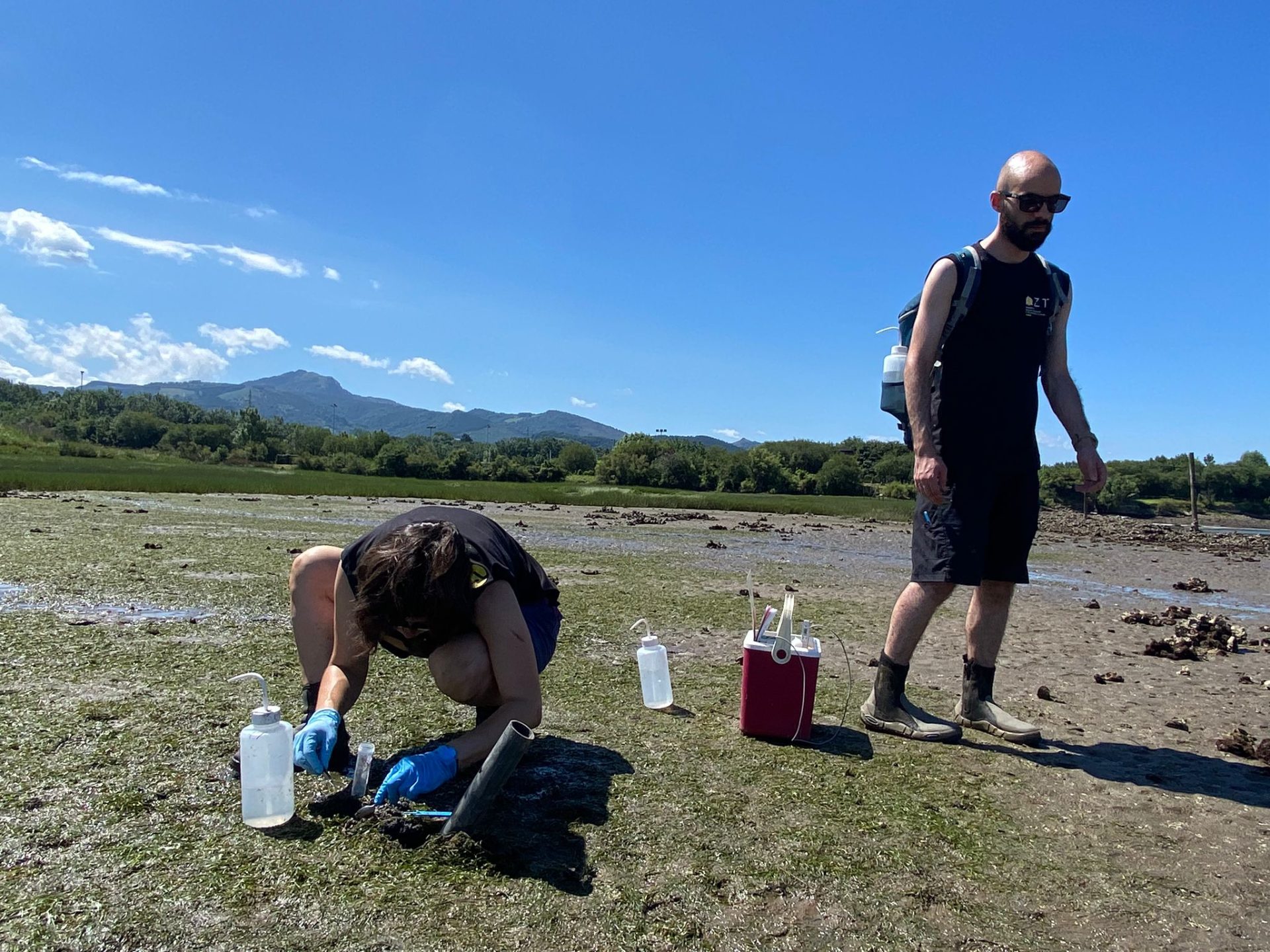
The study analyses 92 sediment samples from the twelve estuaries of the Basque coast, collected between 2013 and 2020 within the Basque Country Environmental Monitoring Network. Using metagenomic techniques, the team has identified more than 108 million unique genes and reconstructed 471 high- and medium-quality microbial genomes belonging to bacteria, archaea, eukaryotes and viruses.
‘This genetic catalogue allows us to explore how microorganisms sustain the functioning of estuarine ecosystems and how they respond to human pressures such as pollution and climate change,’ explains Ion L. Abad-Recio, AZTI researcher and lead author of the study. ‘It also opens the door to innovative biotechnological applications, for example in bioremediation or in the search for genes with industrial potential.’