AZTI-Led Project Develops New Tools to Anticipate Risks Threatening Ocean Life
The tools enable more accurate detection of the combined effects of climate change, pollution and fishing activities on marine ecosystems before damage becomes irreversible
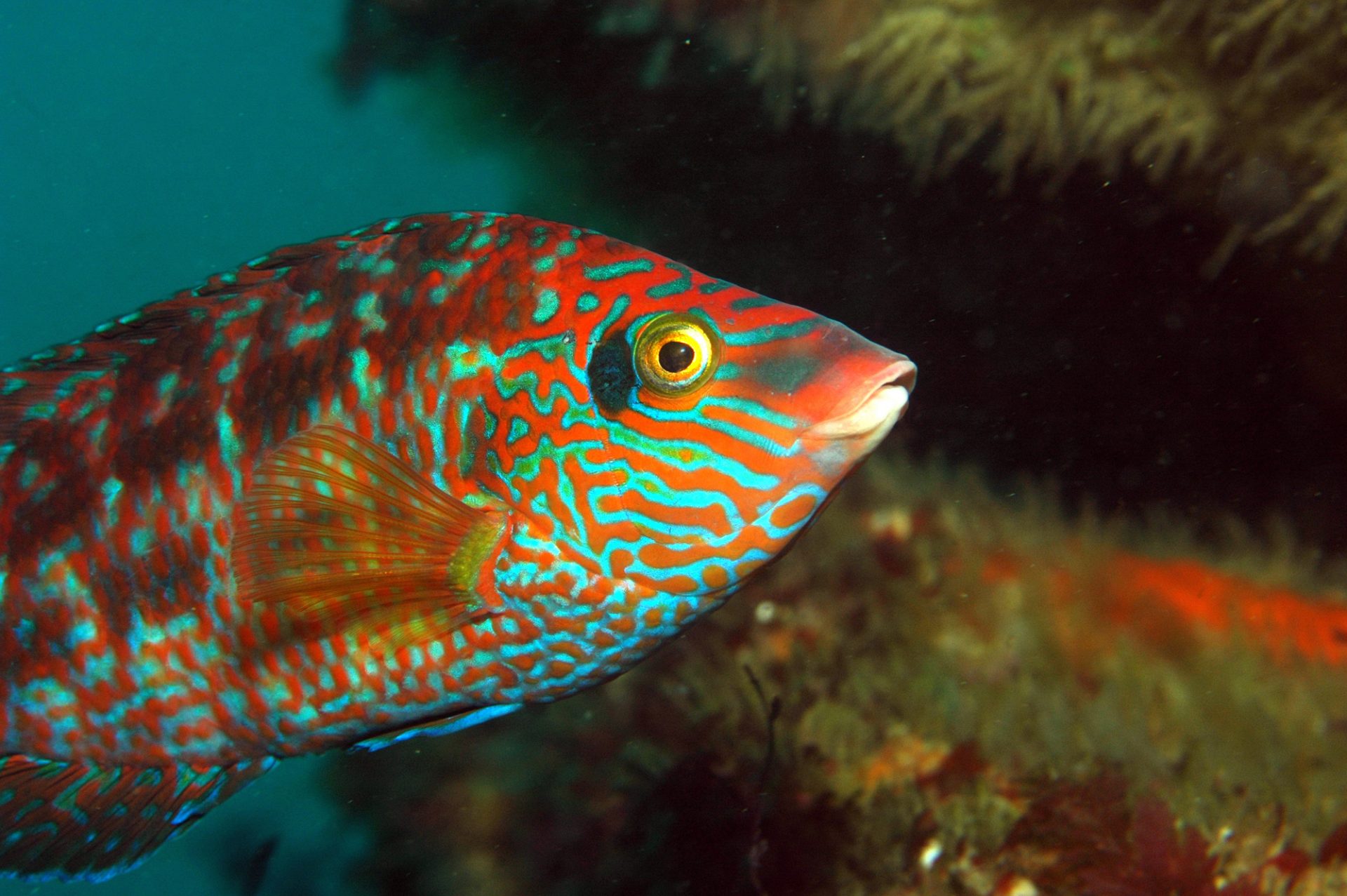
The world’s oceans are facing increasing pressures. Climate change, pollution, fishing activity, maritime traffic and the introduction of invasive species are transforming marine ecosystems at an unprecedented rate. Understanding how these factors interact is one of the major challenges in protecting biodiversity and securing the future of marine resources.
After four years of research, the European project GES4SEAS, which stands for “Achieving Good Environmental Status through assessing integrated impacts of cumulative pressures”, and is coordinated by AZTI, has developed new scientific tools capable of analysing these impacts collectively. The tools will help public authorities identify vulnerable areas, anticipate risks and make more effective decisions to protect marine environments within the framework of the Marine Strategy Framework Directive.
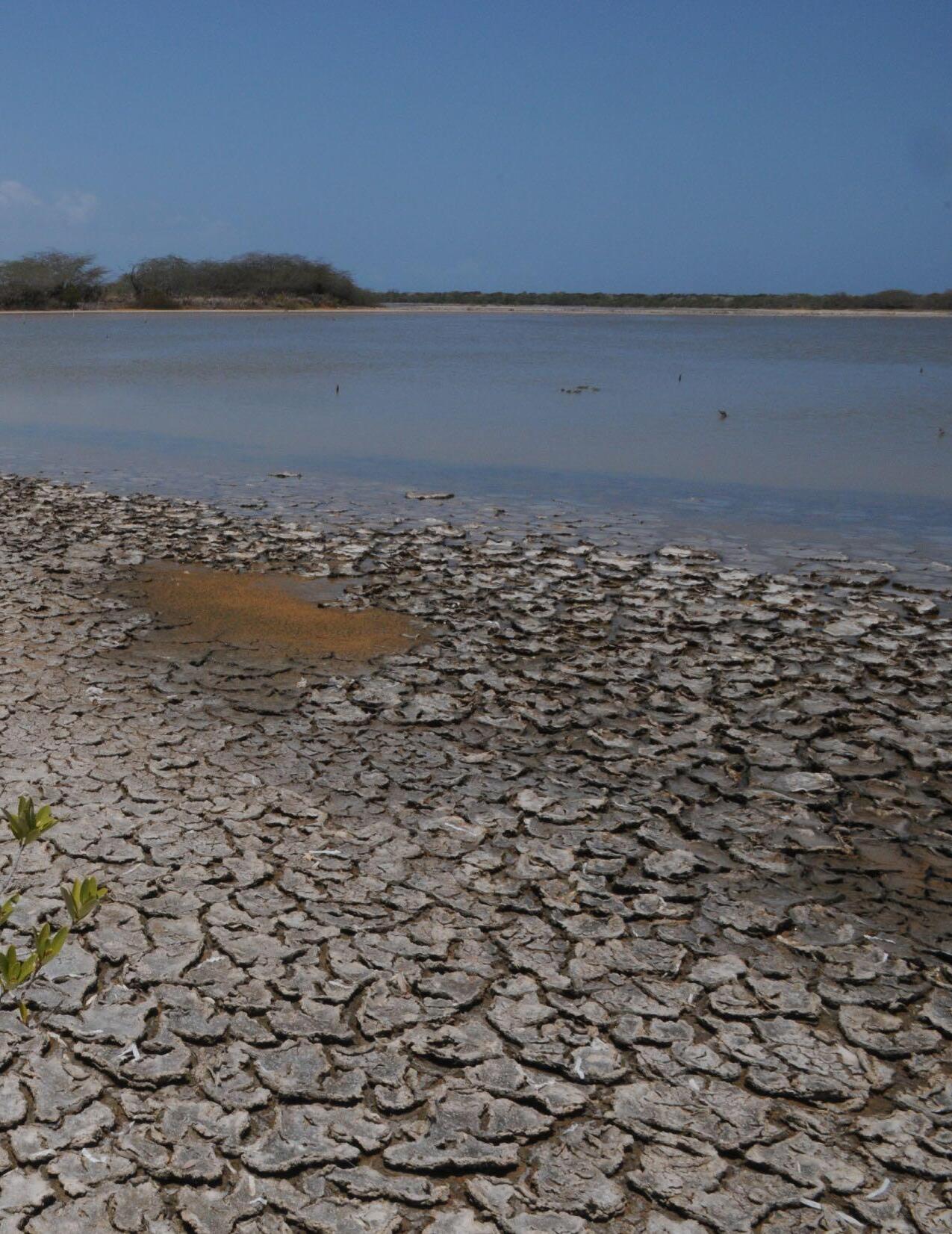
One of the project’s key findings is that damage to ecosystems can be far greater when the cumulative effects of multiple pressures are assessed together. The studies carried out show that many marine areas that appear to be in good condition when pressures are evaluated separately present significantly higher levels of risk when analysed cumulatively, combining factors such as rising water temperatures and various human activities.
The project has also developed systems capable of identifying early signs of environmental degradation and detecting potential tipping points, situations in which an ecosystem undergoes such profound changes that recovery to its previous state becomes extremely difficult.
“Oceans are complex systems, and we need to understand how all the pressures affecting them interact simultaneously. These tools help us anticipate problems and take action before certain impacts become irreversible,” explains Ángel Borja, AZTI researcher and project coordinator.
The solutions developed during the project have been tested at eleven case study sites across Europe’s regional seas, namely the Atlantic Ocean, the Mediterranean Sea, the Baltic Sea and the Black Sea, as well as in French Polynesia and across European seas as a whole. They are openly available to public authorities, researchers and environmental organisations seeking to improve the management and conservation of the marine environment at ges4seas.eu.
GES4SEAS brought together 20 organisations from 15 countries with the aim of enhancing marine biodiversity protection and contributing to more sustainable, science-based ocean management.