CIC bioGUNE is coordinating the LIVER-MOON project on the effects of night work on metabolic and brain health
The aim is to understand how night work and disruptions to the circadian rhythm influence the development of metabolic diseases and healthy ageing.
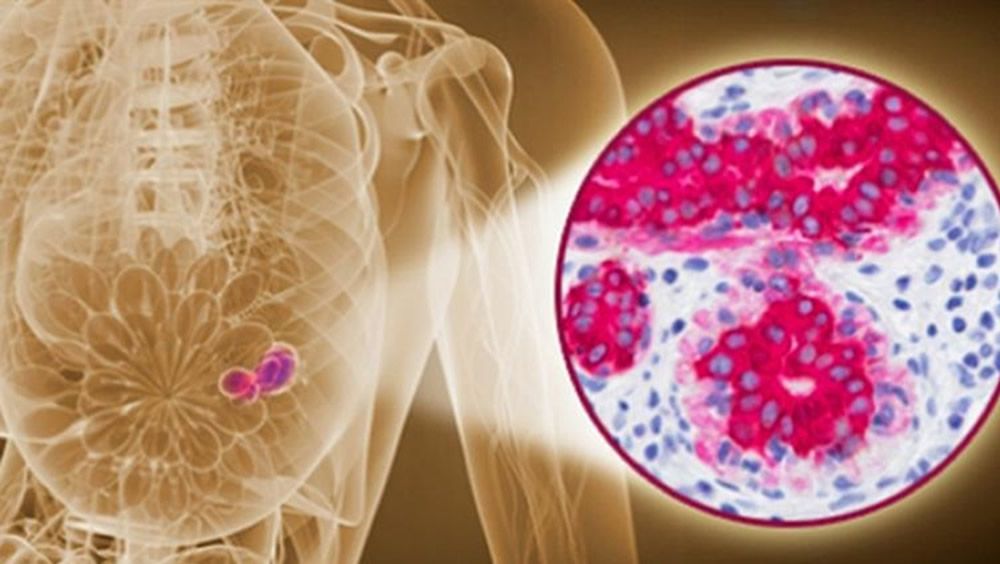
The main focus of the study is hydrogen sulphide (H₂S), a molecule which, although toxic in high concentrations, plays a protective role in the body, helping to regulate oxidative stress in the liver, brain and adipose tissue.
Night work is part of daily life for millions of people. However, when work takes place at night, the human body comes into conflict with its internal biological clock. This phenomenon, known as circadian disruption, can have a profound impact on metabolic, hepatic and neurological health.
It is against this backdrop that the LIVER-MOON project has emerged, an initiative of the Network Research Centre (CIBER-ISCII) coordinated by CIC bioGUNE, a member of BRTA, and the Salamanca Biomedical Research Foundation (FIBSAL), with funding of €222,000. Its aim is to understand how night work and circadian rhythm disruption influence the development of metabolic diseases and healthy ageing.
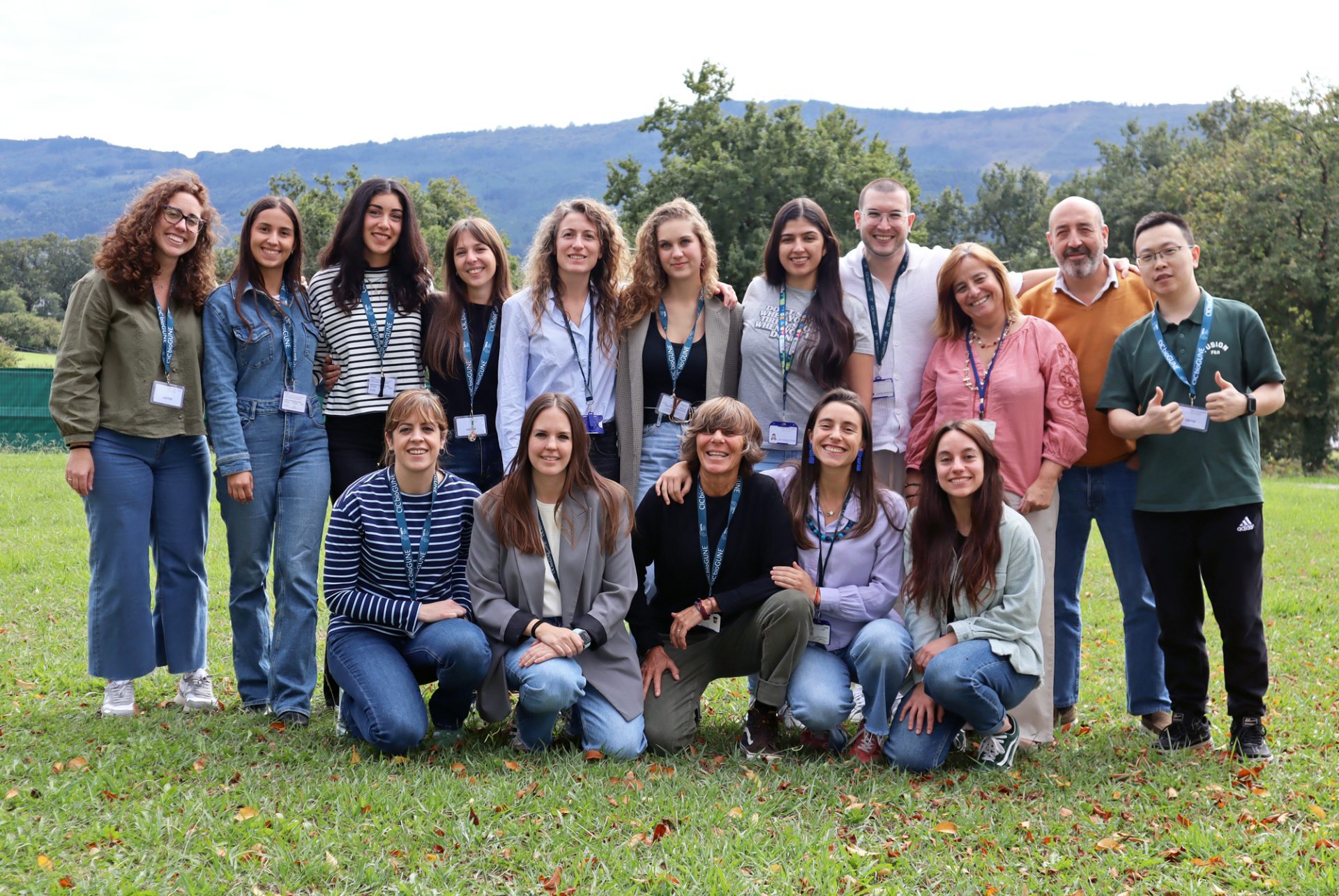
The project brings together a multidisciplinary team of experts in metabolism, neuroscience and obesity, coordinated by Dr Malu Martínez Chantar (CIC bioGUNE, CIBEREHD) and Dr Juan P. Bolaños (FIBSAL, CIBERFES), alongside researchers such as Dr Montserrat Romero, Dr José Luis Cantero and Dr Francisco José Ortega Delgado, from the CIBERDEM, CIBERNED and CIBEROBN research areas.
The main focus of the study is hydrogen sulphide (H₂S), a molecule which, although toxic in high concentrations, plays a protective role in the body, helping to regulate oxidative stress in the liver, brain and adipose tissue. The project’s hypothesis suggests that desynchronisation of the biological clock could alter its production, affecting key enzymes such as CBS, CSE and 3MPST, and increasing cellular vulnerability to inflammation and metabolic dysfunction.
“With LIVER-MOON, we aim to understand how disruption of the circadian rhythm affects key metabolic processes and whether it is possible to intervene, for example through diet or the modulation of hydrogen sulphide, to reduce its effects on health,” says Dr Martínez-Chantar, the project coordinator.
Diet, metabolism and new prevention strategies
One of the most innovative aspects of the project is the study of diet as a potential therapeutic tool. The research team is investigating whether the consumption of plant-based proteins can promote the natural production of H₂S and improve the body’s resistance to metabolic disorders, compared with compounds that release this molecule in a controlled manner, such as SG-1002 and AP39.
This work is being carried out in animal models exposed to altered light and dark cycles over short and prolonged periods, allowing researchers to observe how the lack of synchronisation of the biological clock affects the liver, the brain and adipose tissue. The results will subsequently be validated in studies involving middle-aged people with disrupted circadian rhythms and older people with sleep problems or at risk of Alzheimer’s disease.
Overall, LIVER-MOON proposes an integrated view of the organism in which the liver and brain are closely connected. Alterations in H₂S could influence not only metabolism, but also brain health and ageing. Based on this hypothesis, the project poses a key question: can we adapt diet and other metabolic interventions to working hours to protect the health of people who work at night?