AZTI and the fishing sector carry out the first comprehensive bluefin tuna survey in the Bay of Biscay
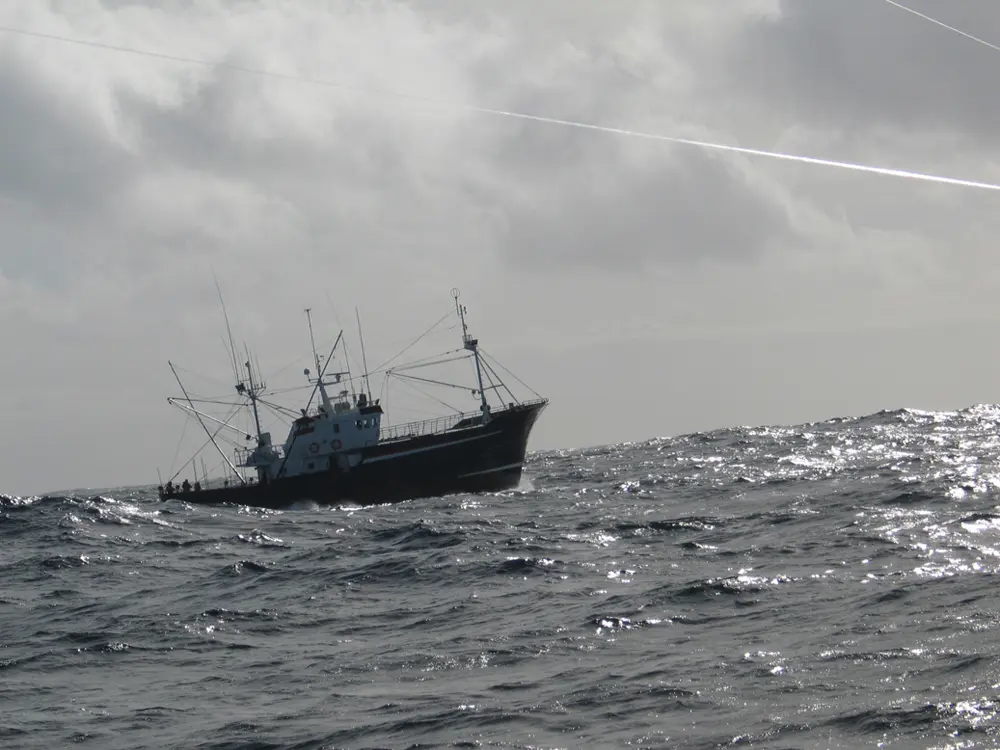
The initiative, currently underway aboard the vessel Nuevo Horizonte, combines acoustic detection, egg and larval sampling, environmental DNA analysis and experimental rod-and-line fishing to confirm the species’ presence and obtain key biological data
Promoted by OPEGUI, the campaign forms part of the sector’s commitment to bluefin tuna fattening and will provide up-to-date information on the species’ distribution in the Bay of Biscay, helping to improve fleet planning and operations
AZTI and the fishing sector are carrying out a bluefin tuna (Thunnus thynnus) survey campaign in the Bay of Biscay aboard the vessel Nuevo Horizonte. Promoted by OPEGUI, the initiative aims to locate and characterise bluefin tuna schools through a combination of acoustic technology, egg and larval sampling, direct observation techniques and analysis of DNA present in the water column (environmental DNA, or eDNA), enabling the detection of tuna traces. Supported by the operational expertise and knowledge of the fishing fleet, the campaign seeks to generate useful and up-to-date information on the presence of the species in Bay of Biscay waters.
Valuable information for the day-to-day operations of the fleet
The survey will provide an updated map of bluefin tuna presence in the Bay of Biscay, including information on the number and size of schools detected. Access to this data will facilitate more effective fishing activity planning and provide greater certainty for the fleet. Bluefin tuna is a highly migratory species whose presence varies significantly over time and across locations. This uncertainty has a real cost for fishing vessels, and having access to accurate and up-to-date information helps to reduce that uncertainty and optimise fishing operations.
To validate the information obtained through the different methodologies and gather basic biological data such as size measurements, small-scale experimental fishing operations will be conducted, without any commercial impact on the stock. The campaign will also include egg and larval sampling, as well as the collection of water samples for environmental DNA analysis. These tools will make it possible to detect the presence of the species even when it is not directly observed and will provide additional information on its distribution throughout the Bay of Biscay.
The possibility of tagging specimens caught during these sampling operations will also be assessed, subject to the relevant permits currently being processed alongside the general campaign authorisation from the Spanish General Secretariat for Fisheries. The use of an underwater camera is also planned to obtain images of the detected schools.
Science developed with the sector, not just for the sector
The survey design has been developed in collaboration with the fishing sector, which has contributed both the vessel and its expertise in defining the search strategy, adapted to the real operating conditions of fishing activity in the Bay of Biscay. This approach ensures that the research addresses the sector’s specific needs and facilitates the practical application of the results to fishing operations.
“Shared knowledge between science and the fishing sector is key to advancing towards more precise, sustainable and resource-focused management models,” notes the AZTI research team.
A further step in the commitment to tuna fattening
The campaign forms part of a broader strategy by the Basque fishing sector aimed at consolidating bluefin tuna fattening as a business activity and is included within the scientific and technological support that AZTI provides to this initiative. Having access to independent and updated information on the species’ presence also strengthens the sector’s ability to defend its interests within international management bodies, such as ICCAT, where fishing quotas are negotiated.
In addition, the survey responds to one of the needs identified during the development of ItsasBalfegó, the initiative led by AZTI and Balfegó to develop sustainable bluefin tuna fattening in the Bay of Biscay. Following technical validation in 2025, the project is currently working to establish the foundations required for industrial-scale deployment. These include improving knowledge of the spatial and temporal distribution of bluefin tuna schools, a key factor in optimising future harvesting operations.
The results of this campaign will provide valuable scientific information for both fisheries management and the development of new activities linked to the sustainable use of this species.