GAIKER takes part in GlyTECH to unlock the potential of marine glycans for human health
The GlyTECH project studies glycans derived from marine macroalgae and their processing in order to generate new biomolecules of biomedical interest and advance the knowledge required for the future development of diagnostic tools, active compounds and therapeutic strategies.
GAIKER, a member of the Basque Research & Technology Alliance (BRTA), is participating in GlyTECH – Marine Glycobiotechnology Applied to Human Health, coordinated by the marine and food research centre AZTI. The project is a collaborative fundamental research initiative funded by the Basque Government through the ELKARTEK 2025 programme. Its aim is to deepen knowledge of marine glycans, their structure, processing and biological activity, with a view to exploring new biotechnological applications in the field of human health.
Glycans are essential biomolecules involved in numerous cellular processes, playing key roles in communication, signalling and recognition mechanisms. Their involvement in multiple physiological and pathological processes has made glycobiology an area of growing interest for the identification of biomarkers and the development of new therapeutic strategies, particularly in fields such as cancer, immunological diseases, infections and neurodegenerative disorders.
In this context, the polysaccharides found in brown macroalgae, such as fucoidan, laminarin and alginates, represent a source of particular interest due to the diversity of their structures and the various biological activities attributed to these biomolecules, including antioxidant, immunomodulatory, antitumour, anticoagulant and antithrombotic properties. These properties may vary significantly depending on characteristics such as glycan composition, structure, molecular weight and degree of sulphation.
GlyTECH seeks to gain a deeper understanding of the relationship between the structure of these biomolecules and their biological function. To achieve this, the project investigates the controlled processing of marine glycans through enzymatic tools in order to obtain oligosaccharides with more defined structures and to analyse how these transformations affect their properties and biological activity. The project addresses two major technological challenges. On the one hand, it aims to develop enzymatic tools and genetic engineering strategies capable of selectively processing marine glycans and generating molecules with defined structural characteristics. On the other hand, it seeks to characterise the interaction between these glycans, and the oligosaccharides derived from their processing, and biological systems, in order to better understand their mechanisms of action and identify the structures with the greatest biomedical potential.
The research is structured around four complementary activities focused on the functionalisation and characterisation of marine glycans with biomedical potential, the development of multifunctional enzymes for their processing, the study of marine-derived enzymatic systems, and the application of genetic engineering tools to understand and optimise the transformation of these biomolecules.
GAIKER is involved in three of these activities and co-leads, together with the University of the Basque Country (EHU), the activity dedicated to the application of genetic engineering tools for the processing of bioactive glycans. In this area, the technology centre will generate marine bacterial strains with specific genes inactivated (knock-outs) in order to confirm the role of enzymes involved in the degradation and transformation of marine glycans. This approach will make it possible to determine which enzymes participate in specific hydrolysis processes and to gain a better understanding of how oligosaccharides with different structural characteristics are generated.
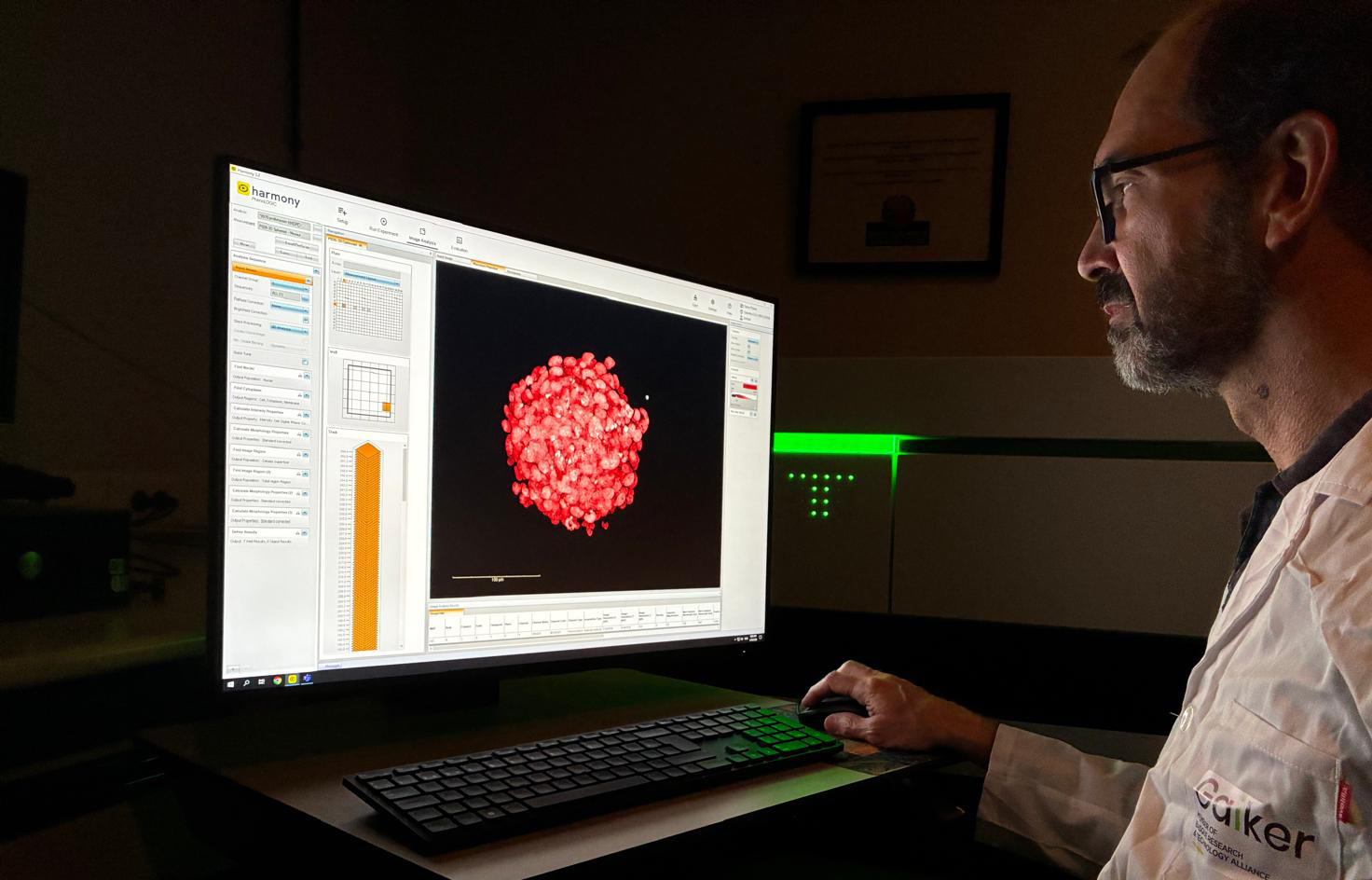
In addition, GAIKER contributes to the biological characterisation of glycans and the oligosaccharides obtained through their enzymatic processing. To this end, human cellular models will be used to evaluate their safety and investigate various bioactivities of relevance to human health.
Among these activities, particular emphasis is placed on the study of their immunomodulatory potential, analysing the interaction between marine glycans and their derivatives and cells of the immune system, as well as evaluating the cellular mechanisms involved in responses to these biomolecules. Overall, this work will help establish links between the structure of the oligosaccharides obtained, their processing and their biological activity, facilitating the identification of the most promising candidates for future biomedical applications.
Led by AZTI, GlyTECH also brings together the Biobizkaia Health Research Institute, the University of the Basque Country (EHU) and GAIKER, integrating complementary expertise in marine biotechnology, biochemistry, genetics, cellular biology and nanotechnology. This collaboration will contribute to advancing knowledge of marine glycans and their mechanisms of action, while exploring new opportunities for biomedical applications and strengthening the scientific and biotechnological capabilities of Euskadi.