Basque soils show high microbial richness and contaminant levels below risk thresholds
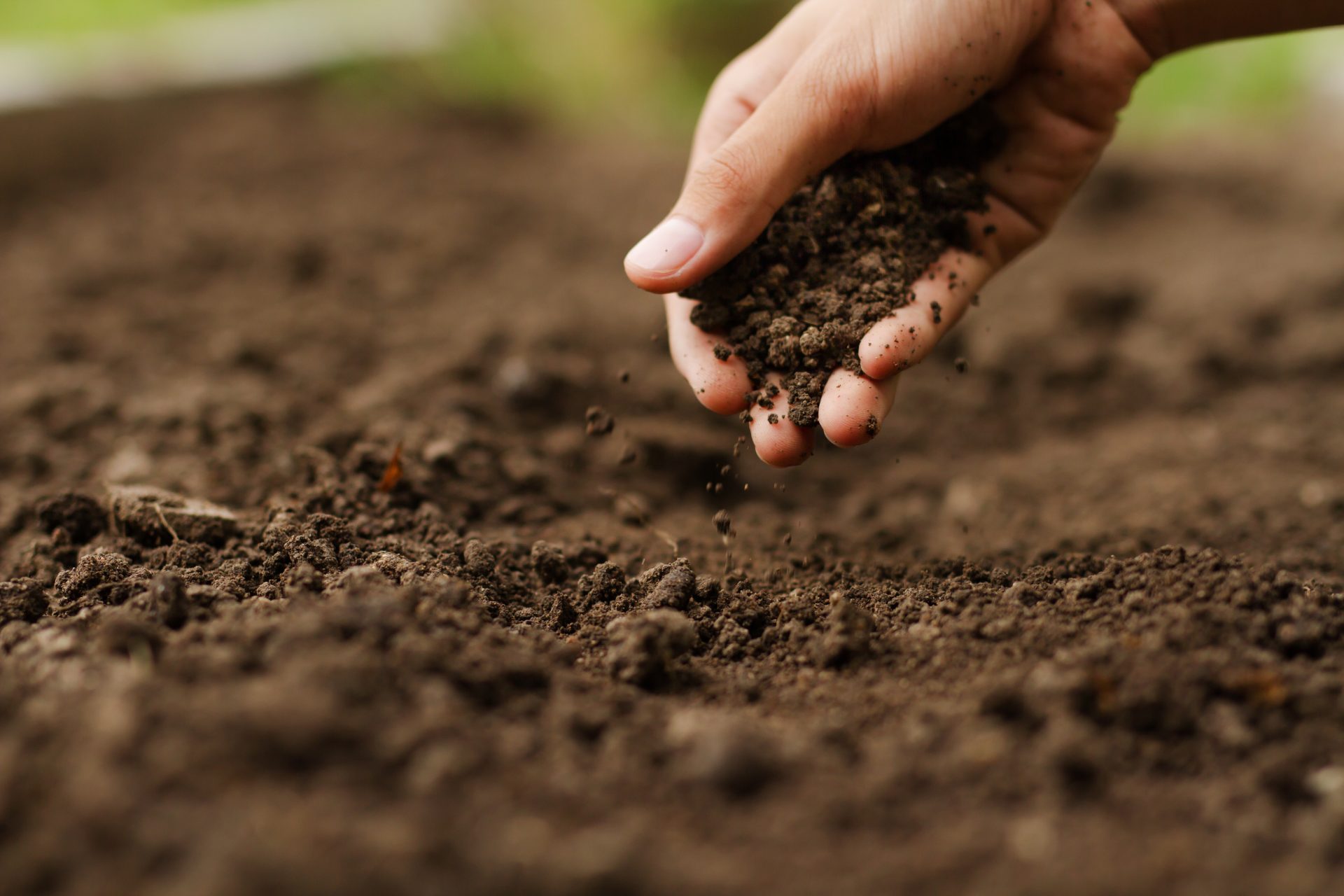
NEIKER technological centre has presented the first results of the regional monitoring network LURNET, which comprises 400 control points
During the technical session, the latest progress, tools and active monitoring networks aimed at preserving this strategic resource in the Basque Country were presented
The event is part of the European Union Green Week, which seeks to highlight EU environmental policies and initiatives relating to soils
With 60% of European land degraded—according to the EU Soil Observatory (EUSO)—and following the recent approval of European legislation on Soil Monitoring, protecting soil health has become a key pillar for agri-food sustainability and climate change mitigation. Within this framework, the technological centre NEIKER, an entity under the Basque Government’s Department of Food, Rural Development, Agriculture and Fisheries, has held a technical session aimed at showcasing the progress, tools and monitoring networks currently in place to preserve this strategic resource in the Basque Country.
This event formed part of the European Union Green Week, an annual campaign focused on raising awareness of EU environmental policies and initiatives. On this occasion, the event brought together a wide range of stakeholders working with or around soils, from farmers to public policy-makers.
The opening session featured NEIKER’s Director General, Olatz Unamunzaga, who outlined the current regulatory framework and noted that “the protection and restoration of soils are directly aligned with both European Union and Basque conservation strategies, as well as with the new Soil Monitoring and Resilience Directive”.
Monitoring networks and management assessment
As a technical response to these regulatory guidelines, researchers Ainara Artetxe and Mercedes Román presented the first results of the LURNET network. This initiative, led by NEIKER, systematically evaluates the physical, chemical and biological properties of soil through a stratified random design—based on climatic, edaphic and landscape covariables—defining nine soil units and incorporating 400 sampling points.
Although the pilot sampling covers only one sixth of the final network, the results obtained are already highly revealing. In terms of soil health, organic carbon concentrations fall below the targets set by the European directive, as expected given that the study focuses exclusively on agricultural land and vineyards. However, the biological indicators offer a very positive outlook: Basque soils show high microbial richness, with clearly differentiated interaction patterns between vineyards and arable crops. Finally, the most significant finding relates to chemical safety: all heavy metals are below risk thresholds, and the 24 PFAS variants—or highly persistent substances—analysed were undetectable across all samples.
The analysis has also been applied at a local scale to measure the direct impact of specific agricultural management practices. In this section, NEIKER researcher Ana Aizpurua demonstrated that spontaneous vegetation cover in vineyards in Rioja Alavesa reduces erosion and increases organic matter after five years of maintenance, while Haritz Arriaga detailed the effects of cereal–legume rotations under organic and conventional systems assessed between 2023 and 2025.
Meanwhile, Nerea Mandaluniz, a researcher in the centre’s Animal Science Department, presented evidence on regenerative grazing in dairy sheep. This line of research, active since 2013, confirms improvements in grass production, microbial activity, carbon sequestration and water retention.
In the forestry domain, Ander Arias, Head of NEIKER’s Forestry Science Department, demonstrated the effectiveness of a rapid, cost-efficient visual assessment methodology to accurately characterise physical and nutritional disturbances caused by incorrect operations in intensively managed plantations.
Digital solutions
Technology transfer featured prominently in the second half of the session with the presentation of “Soil Health Viewer”, a digital platform developed the European project AI4SoilHealth. “This tool combines artificial intelligence and soil indicators to predict the evolution of soil health and aims to support decision-making towards more sustainable management,” emphasised NEIKER researcher Lur Epelde. In this regard, the session also enabled participants to provide feedback to adapt the software to the real needs of the agricultural sector.
Additionally, the event included a field demonstration of alternative methods that avoid laboratory analysis. Specifically, mobile applications to measure aggregate stability, microbial biomass kits and ecoacoustic microphones to analyse fauna were showcased, along with other solutions linked to the citizen science platform LURZAIN.
The session, organised with the collaboration of HAZI, facilitated knowledge exchange among the production sector to advance soil health conservation in the Basque Country and support decision-making aimed at its restoration, based on solid scientific knowledge.