CIC energiGUNE accelerates the development of sodium-ion batteries as a strategic alternative to lithium
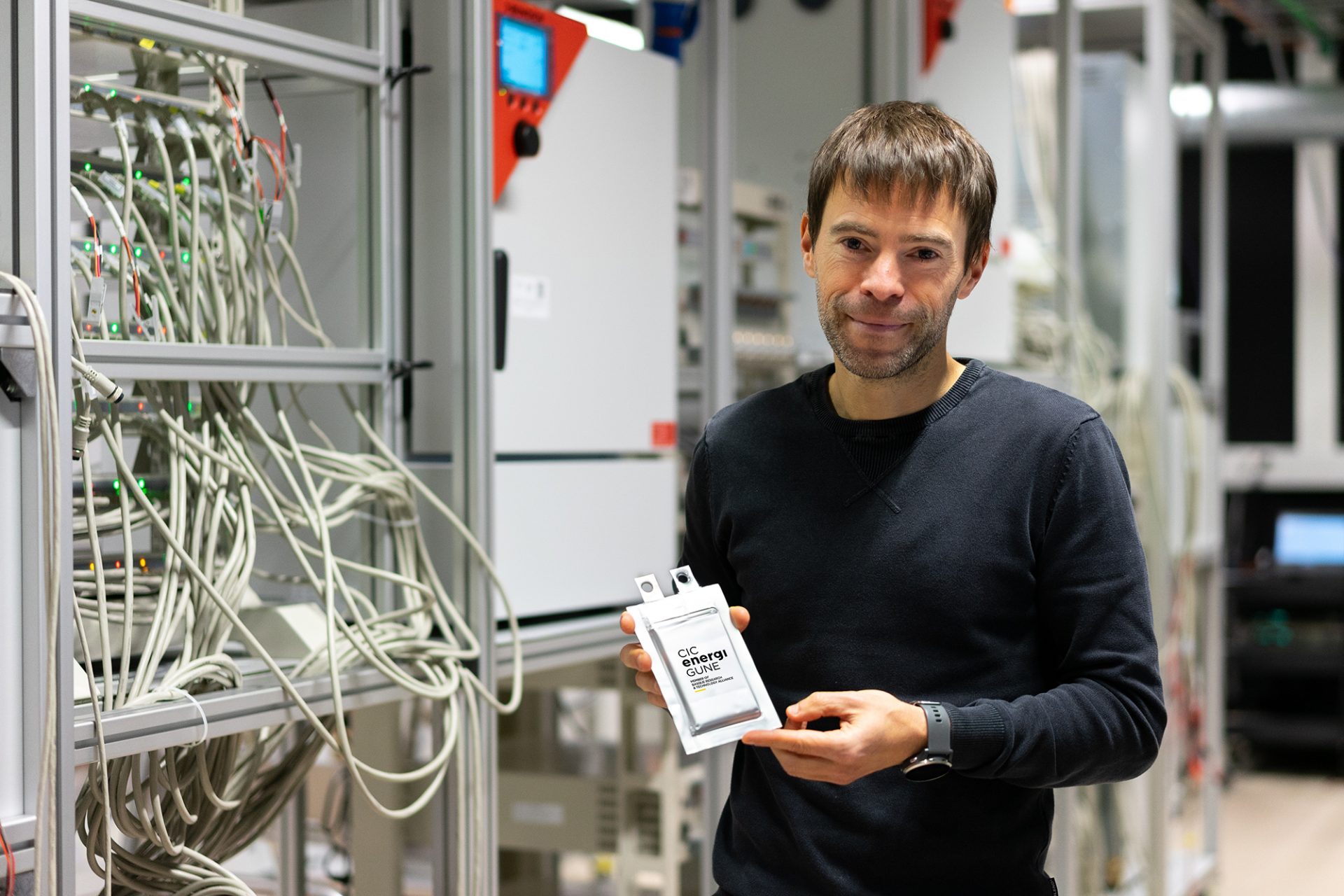
The Basque centre is working with start-ups, manufacturers and industrial companies to validate and scale technologies based on sodium.
The technology is gaining international prominence due to its potential to reduce dependence on critical raw materials and strengthen more sustainable supply chains.
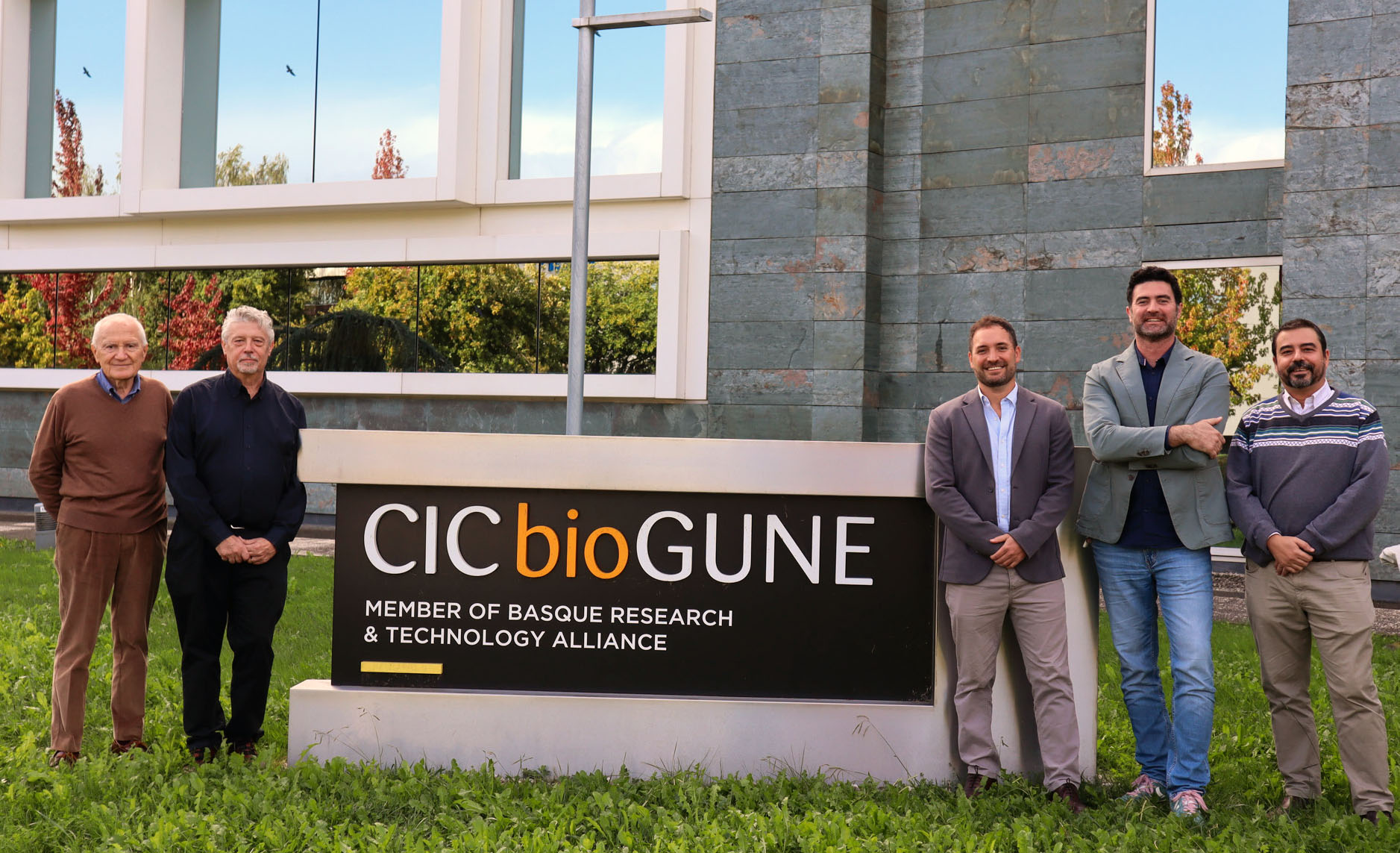
CIC energiGUNE, a leading Basque research centre in electrochemical and thermal energy storage and conversion, is driving from the Basque Country the development, validation and scaling-up of sodium-ion-based technologies, with the aim of accelerating their transition from the laboratory to real industrial applications.
The growing pressure on critical materials such as lithium, together with the need to move towards more sustainable, resilient and competitive energy supply chains, is positioning sodium-ion batteries as one of the most promising alternatives to complement lithium in the coming years.
The centre works with start-ups, manufacturers, materials developers and industrial companies to reduce technological risks and facilitate the maturation of sodium-ion-based solutions—a chemistry that is gaining international traction due to the use of more abundant and globally distributed materials.
“Energy storage will require different chemistries and technologies to meet the needs of the energy transition. Sodium-ion is attracting enormous interest because it enables the use of materials that are far more abundant and widely distributed globally than lithium,” explains Nuria Gisbert, Director General of CIC energiGUNE. “Europe needs to strengthen its own capabilities in strategic energy technologies and generate industrial knowledge around more sustainable and resilient solutions.”
Although lithium will remain key in many segments, sodium batteries offer particularly attractive advantages in applications where cost, safety, sustainability and scalability are priorities, such as stationary storage, certain mobility solutions and industrial applications.
One of the sector’s main challenges remains converting promising technologies into solutions that are truly manufacturable and competitive at an industrial scale. Many chemistries perform well in the laboratory but encounter difficulties when transitioning to real manufacturing processes.
“One of the major current challenges is not only improving battery performance, but demonstrating that they can be manufactured in a reliable, scalable and competitive way,” notes Jon Ajuria, Head of the Sodium-ion Research Line at CIC energiGUNE. “That is why we work not only on advanced materials, but also on validation, processing, benchmarking and technology transfer to industry.”
To this end, CIC energiGUNE develops capabilities ranging from computational modelling and materials discovery to prototyping, electrochemical validation, degradation analysis, industrial scalability and techno-economic assessment. These capabilities enable the centre to work with a wide range of industrial stakeholders, from start-ups and materials manufacturers to cell producers and technology integrators.
In addition to scientific development, the centre is working to validate sodium-ion technologies under realistic operating conditions and to accelerate their technological maturity, helping to bridge the gap between research and industrialisation.
The growing need to reduce dependence on critical raw materials and strengthen more resilient energy supply chains is positioning sodium-ion as one of the most closely watched emerging technologies within the international battery ecosystem.