CIC energiGUNE drives the development of smart textiles capable of managing temperature and energy
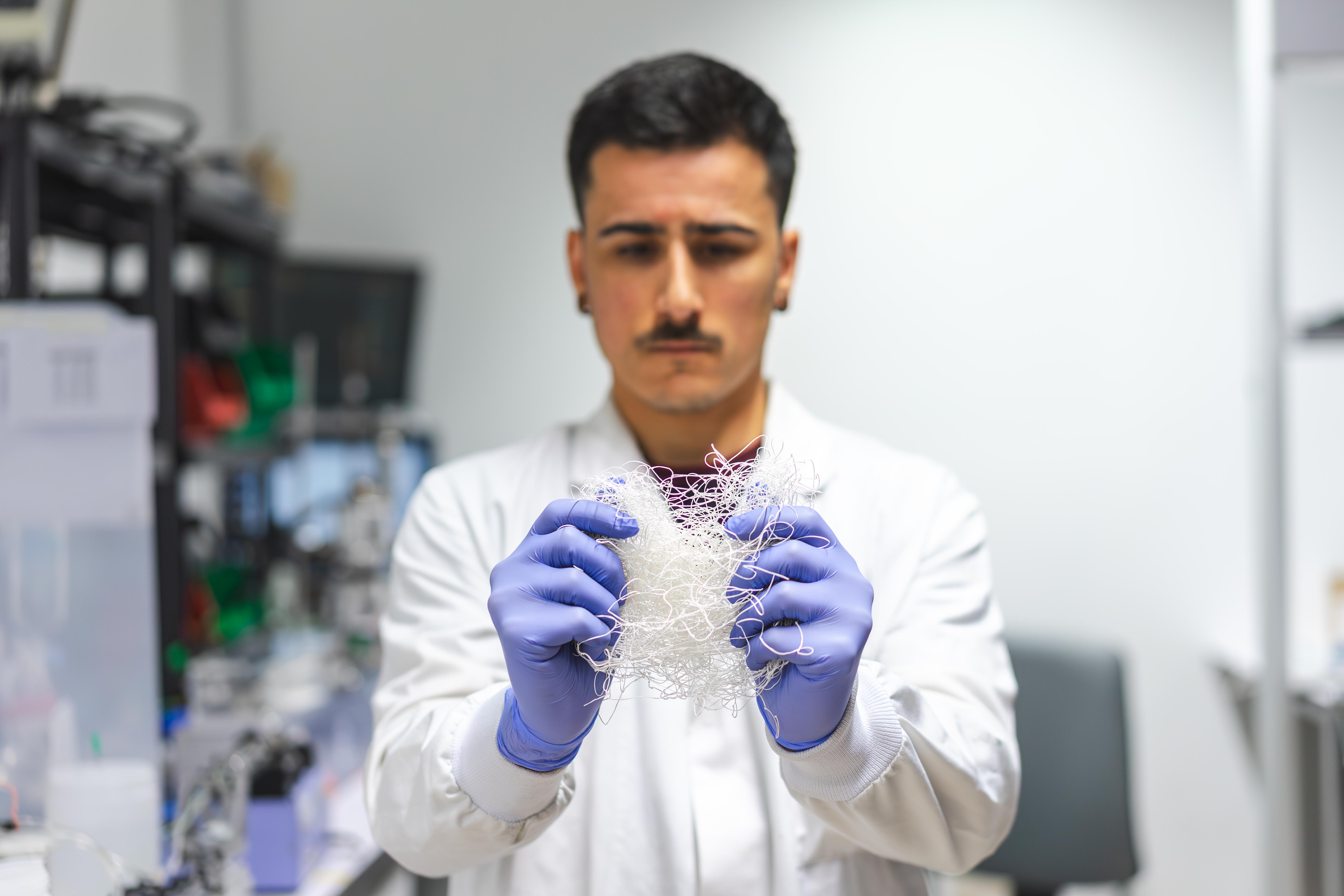
The Basque centre is working on new flexible materials for applications in wearables, smart textiles, healthcare, personal mobility and advanced thermal management
The new developments make it possible to integrate thermal regulation directly into fibres, films and flexible surfaces
Clothing of the future could do far more than simply protect against cold or heat. It could regulate temperature intelligently, adapt more effectively to the environment and even store thermal energy directly within the fabric itself. This is the objective pursued by CIC energiGUNE, a Basque research centre specialising in energy storage and conversion, through the development of new flexible materials with applications in sport, healthcare, personal mobility and flexible electronics.
The key lies in transforming the fabric itself into a functional material. Unlike traditional solutions based on rigid components or external electrical systems, these new developments make it possible to integrate thermal management capabilities directly into fibres and flexible films, while maintaining comfort, lightness and ergonomic performance.
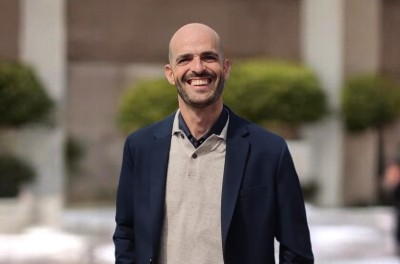
“We are moving from garments that simply provide insulation to far more intelligent and adaptable textiles. The idea is for technology to cease being perceived as an addition and instead become an intrinsic part of the material itself,” explains Mikel Duran, a researcher at CIC energiGUNE in the field of thermal energy storage.
These solutions could be applied to technical and sports clothing capable of maintaining a more stable temperature, garments designed for extreme conditions, or textile-based systems aimed at health and wellbeing. In addition, these materials reduce dependence on active electrical systems and improve overall energy efficiency.
“In just a few years, we could see sportswear capable of helping regulate body temperature more effectively during exercise, preventing peaks of heat or cold and enhancing user comfort, while better adapting to the body and eliminating the need for heavy batteries. We could also see lighter, more comfortable winter garments capable of retaining heat for longer, or even textile covers and surfaces for electronic devices that help control overheating,” explains Beatriz Corral, Market Manager at CIC energiGUNE.
“This type of material seeks to address very real challenges related to thermal comfort, energy efficiency and the integration of technology into everyday products, making functionality a natural part of the garments themselves,” adds Mikel Duran.
Within this context, CIC energiGUNE is working on flexible phase change materials (Flexible PCMs), capable of absorbing, storing and releasing heat in a controlled manner, while also adapting to different surfaces and geometries. The aim is to develop solutions that can realistically reach the market and be adapted to a wide range of industrial applications.
Advances in functional materials and flexible thermal management are thus opening the door to a new generation of smart textiles in which comfort, efficiency and technological integration will become inherent features of the fabric itself.