21 June, World ALS Day: DNA Repair and Gene Editing, Tools to Advance in Tackling Neurodegenerative Diseases
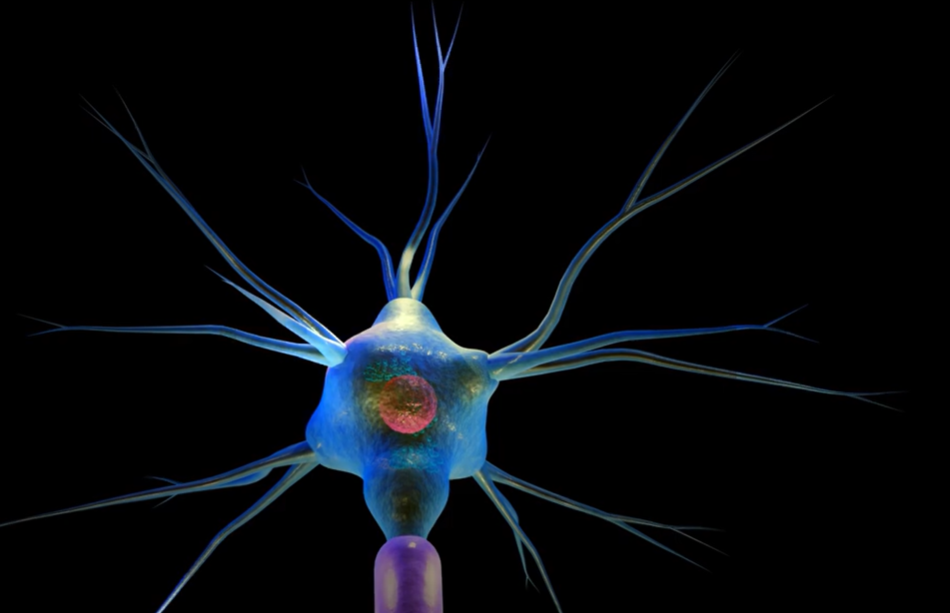
CIC bioGUNE is developing new gene‑editing tools inspired by natural mechanisms capable of inserting DNA in a targeted manner. These technologies could open up new opportunities to address diseases such as ALS, where the diversity of mutations makes it difficult to develop effective treatments.
The centre is also investigating how molecular evolution can become a source of new tools for biomedicine.
Research video: Watch the video
Through ancestral protein reconstruction techniques, the team studies molecules that existed millions of years ago in order to identify biological properties no longer found in present‑day organisms.
Each 21 June marks World Amyotrophic Lateral Sclerosis (ALS) Day, a neurodegenerative disease that affects the motor neurones responsible for controlling voluntary movement. In Spain, around 4,000 people are currently living with this condition, characterised by a progressive loss of mobility that has a profound impact on patients’ autonomy and quality of life. Its biological and clinical complexity makes ALS one of the major challenges in contemporary biomedical research, driving the development of new tools capable of more precisely understanding the molecular mechanisms underlying its onset and progression.
Although there is still no cure, advances in genetics, molecular biology and omics technologies over recent decades have significantly transformed the understanding of neurodegenerative diseases. It is now known that processes such as altered gene expression, protein aggregation, loss of cellular homeostasis and changes in neuronal function play a key role in their development. However, translating this knowledge into diagnostic and therapeutic solutions continues to require increasingly sophisticated biological tools and highly interdisciplinary approaches.
In this context, CIC bioGUNE, a member of BRTA, conducts research aimed at understanding the fundamental mechanisms of life and generating new technologies to drive the next generation of biomedical applications. The integration of synthetic biology, genomics, structural biology, bioengineering and data analysis is enabling the exploration of innovative approaches to studying complex diseases and advancing towards more precise and personalised medicine.
Exploring evolution to design new biological tools
Among the centre’s most innovative research lines is the work carried out by the Synthetic Biology Lab, led by Ikerbasque Research Professor Raúl Pérez‑Jiménez, which investigates how molecular evolution can be harnessed as a source of new tools for biomedicine.
Using ancestral protein reconstruction techniques, the team studies molecules that existed millions of years ago to identify biological properties no longer present in current organisms. This approach has enabled the development of new variants of CRISPR‑Cas systems with distinctive features for gene editing, expanding the possibilities for accessing and modifying genetic material.
Alongside this line of work, the laboratory is exploring new strategies based on enzyme engineering, mechanobiology and advanced biomaterials. In addition, a research line led by Dr Ylenia Jabalera, Ikerbasque Research Fellow and “la Caixa” Junior Leader at CIC bioGUNE, focuses on developing new gene‑editing tools inspired by natural mechanisms capable of inserting DNA in a targeted way. These technologies could open up new opportunities to address diseases such as ALS, where the diversity of mutations hinders treatment development. This line of research has been supported by FUNDELA and, although it is fundamental research, all efforts share a common objective: to generate knowledge and tools that improve understanding of the biological processes involved in health and disease.
Understanding biological complexity to advance precision medicine
Neurodegenerative diseases, including ALS, highlight the need to approach biology from a multidisciplinary perspective. The identification of genetic factors associated with the disease, such as specific variants in genes involved in neuronal function, has shown that understanding the molecular origins of these conditions is an essential step towards developing more specific and effective treatments.
The increasing capacity to analyse large volumes of genetic and molecular data is enabling progress towards precision medicine models capable of tailoring diagnosis and therapies to the biological characteristics of each patient. This shift in paradigm requires new experimental tools, enhanced analytical capabilities and strong foundational research to interpret the complexity of biological systems.
For this reason, a significant proportion of the research carried out at CIC bioGUNE is not only aimed at answering fundamental scientific questions, but also at laying the technological foundations needed to address diseases that still present major unmet medical needs.
Research as an investment in the future
World ALS Day is also an opportunity to reflect on the role of research in building a society better prepared to face future healthcare challenges. Many of the advances that are beginning to transform medicine today originate from basic research that, at its inception, sought to understand how the most fundamental mechanisms of life function.
The ability to reconstruct ancestral proteins, design new gene‑editing tools or decipher the molecular complexity of a neurodegenerative disease are examples of how science continually expands the frontiers of knowledge. Turning that knowledge into real solutions for patients requires time, collaboration and sustained commitment to excellence in research.
At CIC bioGUNE, the commitment to knowledge generation, technological innovation and interdisciplinary research continues to drive the development of key scientific capabilities to tackle some of the major biomedical challenges of today and the future.