A New Study Identifies a Natural Mechanism That Slows Tumour Progression and Could Help Predict the Most Aggressive Cancers
The study, co-led by CIC bioGUNE and IBBTEC and published in Nature Communications, identifies ASPA as a key regulator of the tumour microenvironment, opening up new avenues for cancer diagnosis and treatment.
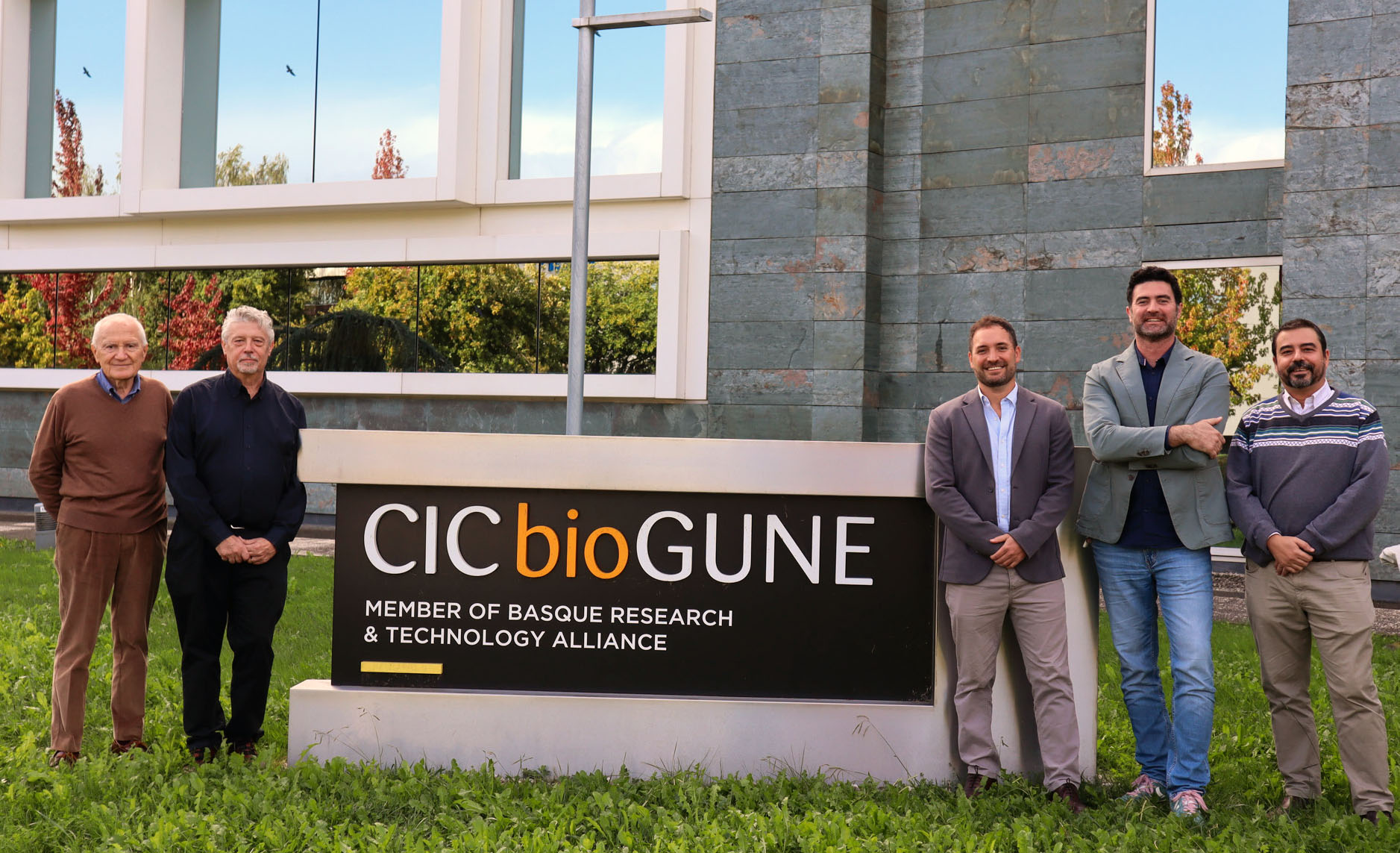
An international research team co-led by the Institute of Biomedicine and Biotechnology of Cantabria (IBBTEC-CSIC-University of Cantabria) and CIC bioGUNE, a member of BRTA, has identified a new molecular mechanism that helps limit the progression of various types of cancer.
The findings, published in Nature Communications, reveal that the ASPA protein acts as a natural regulator capable of preventing the activation of cancer-associated fibroblasts, cells within the tumour microenvironment that play a decisive role in tumour growth, tissue invasion and the development of metastases.
The discovery provides new evidence of the importance of the tumour microenvironment, the complex cellular ecosystem surrounding cancer cells that directly influences the course of the disease. Understanding how cancer alters the healthy cells in its surrounding environment has become one of the main areas of oncology research, as these interactions can determine both tumour aggressiveness and response to treatment.
Beyond Tumour Cells
Although cancer is often associated with the uncontrolled proliferation of malignant cells, tumours are composed of a wide variety of cells that interact with one another. These include immune cells, blood vessels and fibroblasts, which are responsible for maintaining the normal structure and function of tissues.
However, as the disease develops, many of these cells are reprogrammed by the tumour itself and begin to promote its growth. Among them, cancer-associated fibroblasts (CAFs) are particularly significant. They are currently regarded as one of the most important components of the tumour microenvironment due to their ability to promote tumour progression, facilitate the spread of cancer cells and contribute to resistance to certain treatments.
Understanding how this transformation occurs is a key priority in cancer research and has driven some of the most important advances of recent decades, including immunotherapy.
ASPA Acts as a Natural Brake
In this context, the research team identified ASPA as a crucial regulator of the behaviour of cancer-associated fibroblasts.
The results show that, as the tumour progresses, a complex communication network develops between cancer cells and healthy tissue cells, leading to a gradual reduction in ASPA levels. When this protein disappears, fibroblasts lose one of their natural control mechanisms and acquire characteristics that favour tumour growth and the development of more aggressive forms of the disease.
Furthermore, the study demonstrates that ASPA exerts this regulatory function by blocking the activity of the TGFβ signalling pathway, one of the principal drivers of cancer-associated fibroblast activation.
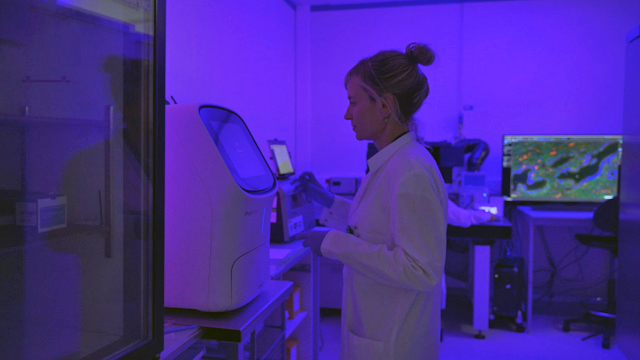
Thanks to a multidisciplinary approach combining biochemical analyses, cellular models, in vivo studies and advanced single-cell sequencing technologies, the researchers were able to characterise with great precision the impact of ASPA across different tumour types.
Potential Clinical Implications
One of the study’s most significant findings is that the loss of ASPA is associated with a more aggressive progression of various types of cancer. The results suggest that this protein could, in the future, become a useful biomarker for identifying patients at greater risk of disease progression and the development of metastases.
Although this is fundamental research and has no immediate clinical application at present, the study opens up new lines of investigation to explore ASPA’s potential as a therapeutic target and to improve cancer diagnosis and treatment strategies.
The research was made possible through extensive international collaboration and the generosity of patients who donated biological samples that were essential to the study. The work received support from the Spanish Association Against Cancer, the State Research Agency, the European Research Council (ERC), the “la Caixa” Foundation and the CRIS Cancer Foundation.