European research community outlines the innovation reforms the EU needs in Science

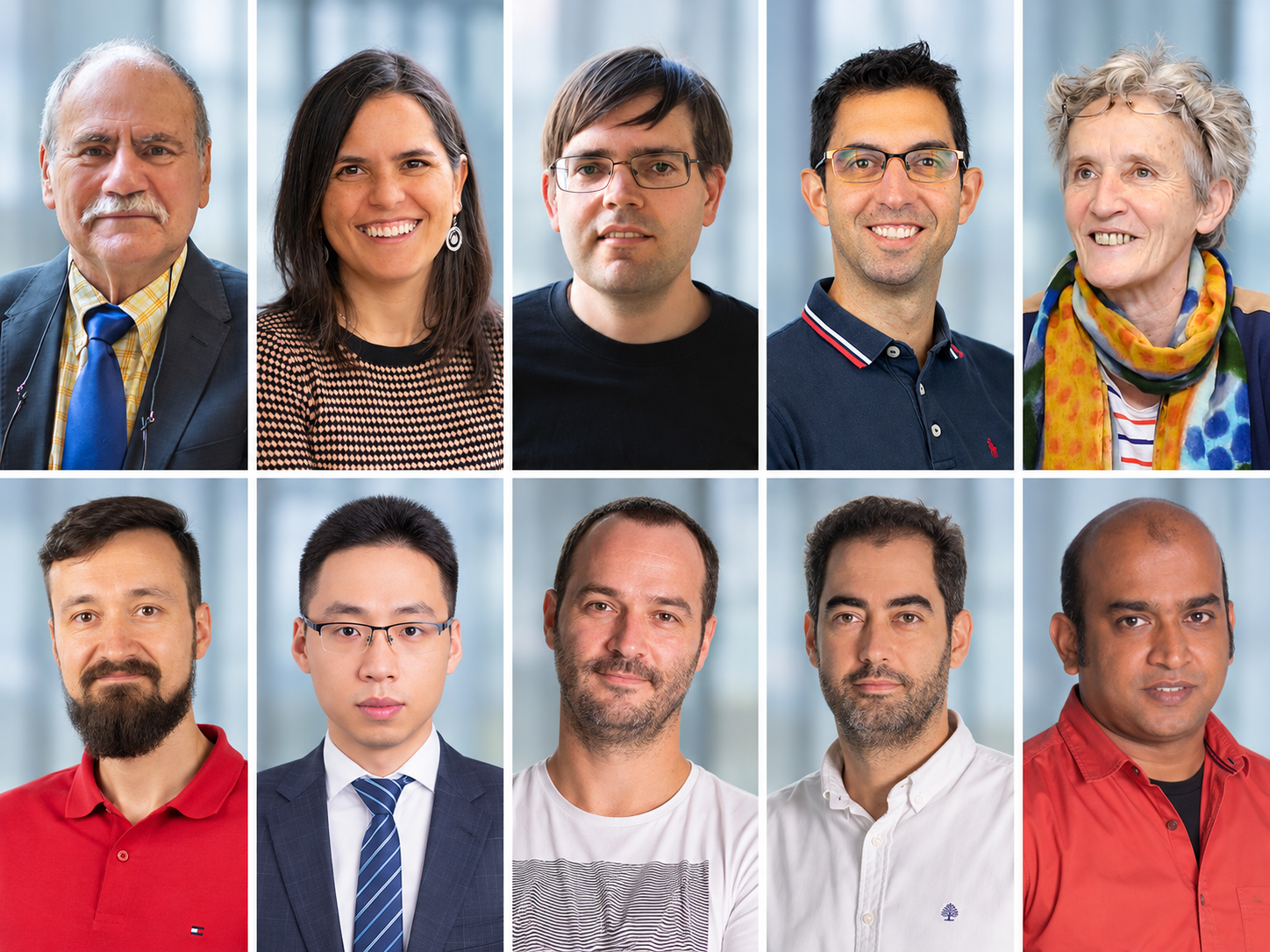
Aitziber Cortajarena, Scientific Director of CIC biomaGUNE, is taking part in INPACT!, a network bringing together more than 120 scientists and innovators from over 20 countries
The paper calls for simplifying the transition from scientific discovery to commercialisation, strengthening support for high-risk ideas and improving incentives for academic entrepreneurs
Europe could convert a greater share of its scientific discoveries into new technologies, products and businesses if it changes the way it funds innovation and supports researchers, according to a new Policy Forum published in Science.
The paper, entitled Enhancing Europe’s Competitiveness by Empowering Researchers as Innovators, proposes increasing continuity along the pathway from basic research to commercialisation, simplifying funding procedures and giving greater recognition to entrepreneurship within universities. It argues that persistent institutional and funding barriers continue to prevent scientific excellence from achieving its full economic and societal impact.
The work is an initiative of INPACT!, a network established in 2023 that brings together more than 120 scientists and innovators from over 20 countries within the European Research Area, most of whom are recipients of grants from the European Research Council (ERC). Ikerbasque Professor Aitziber Cortajarena, Scientific Director of CIC biomaGUNE, is a member of the initiative, which combines the direct experience of the research community with economic analysis of European funding programmes to identify reforms that could strengthen Europe’s capacity to transform research into innovation.
Connecting research and innovation
The analysis focuses on Horizon Europe, the European Union’s research and innovation programme for the 2021-2027 period. Its authors argue that funding remains fragmented and that discoveries with commercial potential can encounter administrative gaps between the European Research Council’s (ERC) Proof of Concept grants, which help researchers explore practical applications, and the European Innovation Council (EIC) programmes, which support technological development and business growth.
One of the paper’s main proposals is to integrate ERC Proof of Concept grants into the governance structure of the EIC, creating a more seamless pathway from scientific discovery to technological development and commercialisation. According to the paper, this could reduce the need for repeated evaluations, simplify transitions between programmes and make funding more predictable for researchers and investors alike.
“Europe has extraordinary scientific talent, but too often we lose momentum between discovery and application. We need a less fragmented pathway that enables promising ideas to progress from fundamental research to technologies, companies and solutions capable of delivering economic and societal impact,” says Dario Polli, Professor at Politecnico di Milano and one of the lead authors of the Policy Forum.
The Policy Forum also calls for stronger support for early-stage, high-risk innovation. The combined annual budget of the EIC Pathfinder and Transition programmes currently amounts to approximately €500 million, while their programme management capacity remains limited compared with that of advanced research agencies in the United States. The article recommends reallocating resources towards disruptive innovation and granting greater authority to independent programme managers to steer promising projects.
“Europe is trapped in a medium-technology trap: we are specialised in mature sectors such as automotive and industrial machinery, while cutting-edge fields such as artificial intelligence and biotechnology remain too small. To strengthen Europe’s competitiveness and strategic autonomy, we must rebuild the pathway from scientific discovery to commercialisation funding for the best ideas and enable researchers and innovators to turn today’s breakthroughs into tomorrow’s high-tech industries,” says Giorgio Presidente, researcher at Bocconi University’s Institute for European Policymaking.
Simpler applications and support for excellent unfunded projects
The authors of the article also argue that European funding applications should be shorter and assessed more directly on the basis of the quality of the idea and its potential application.
They propose that national funding agencies should make multiannual commitments to support outstanding projects that successfully pass European evaluation processes but cannot be funded due to budget limitations within a particular call. This would expand the approach already applied through the Seal of Excellence scheme.