NEIKER provides scientific endorsement for the new digital platform designed to measure the carbon footprint in the beef sector

The technology centre is applying its expertise in environmental assessment to the platform, building on more than a decade of collaboration with the Interprofessional Beef Organisation (Provacuno)
The software tool, known as the Sustainable Cattle Footprint, is based on the Life Cycle Assessment (LCA) methodology and is aligned with the Spanish Inventory System (SEI)
The app already has a fully operational livestock module and will complete the monitoring of the supply chain in September with the integration of the industrial phase
Achieving climate neutrality by 2050. This is the challenge facing the beef secor as it seeks to improve sustainability. To this end, it must have access to rigorous assessments that enable the environmental impact of its activities to be measured realistically and greenhouse gas emissions to be quantified throughout the entire value chain.
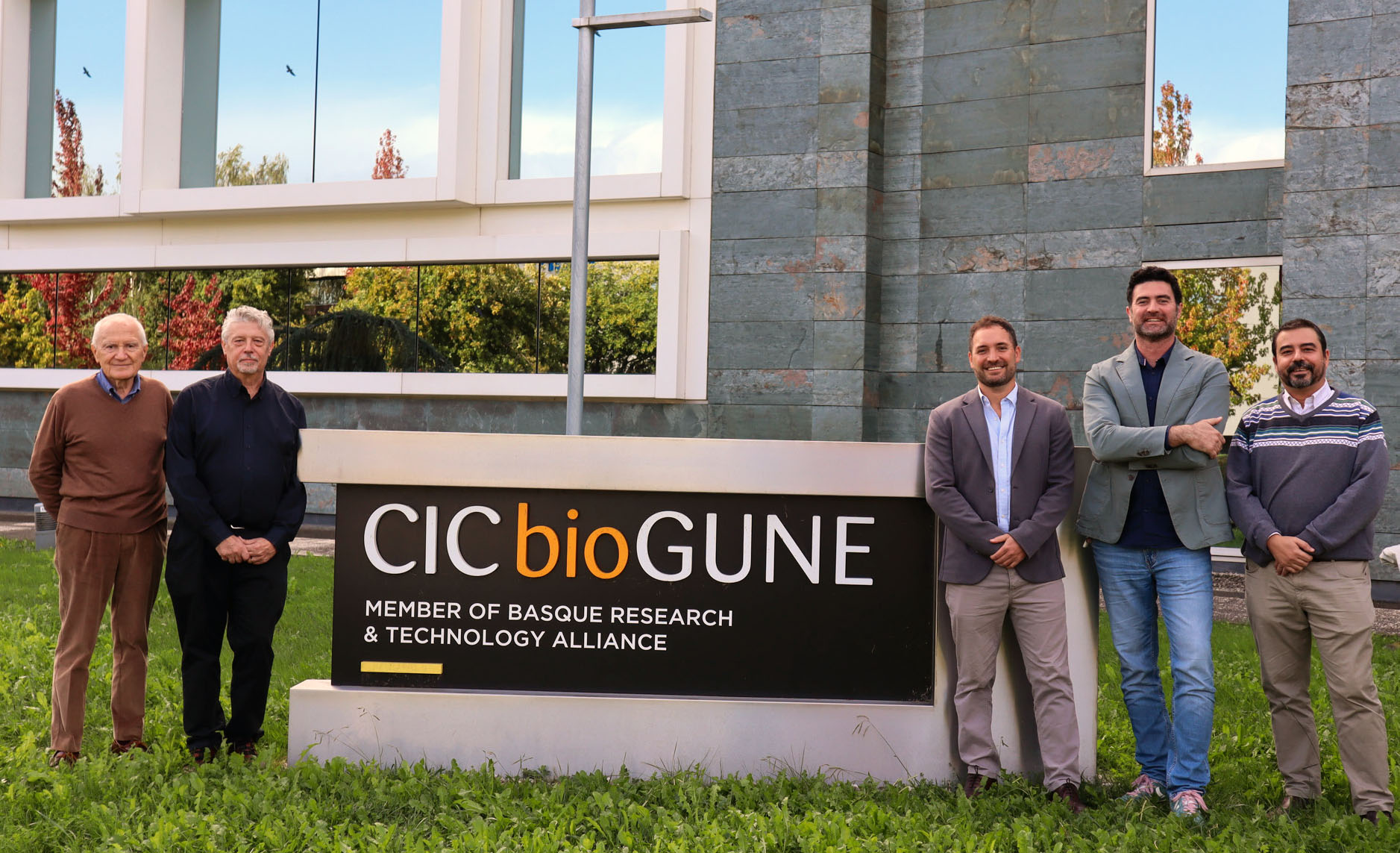
In this context, the NEIKER technology centre, an entity under the Basque Government’s Department of Food, Rural Development, Agriculture and Fisheries, has participated in developing the methodological approach for a new digital application designed to calculate the carbon footprint of the beef sector in Spain. Specifically, this work is being carried out within the framework of a collaborative partnership with the Interprofessional Organisation for Beef (Provacuno).
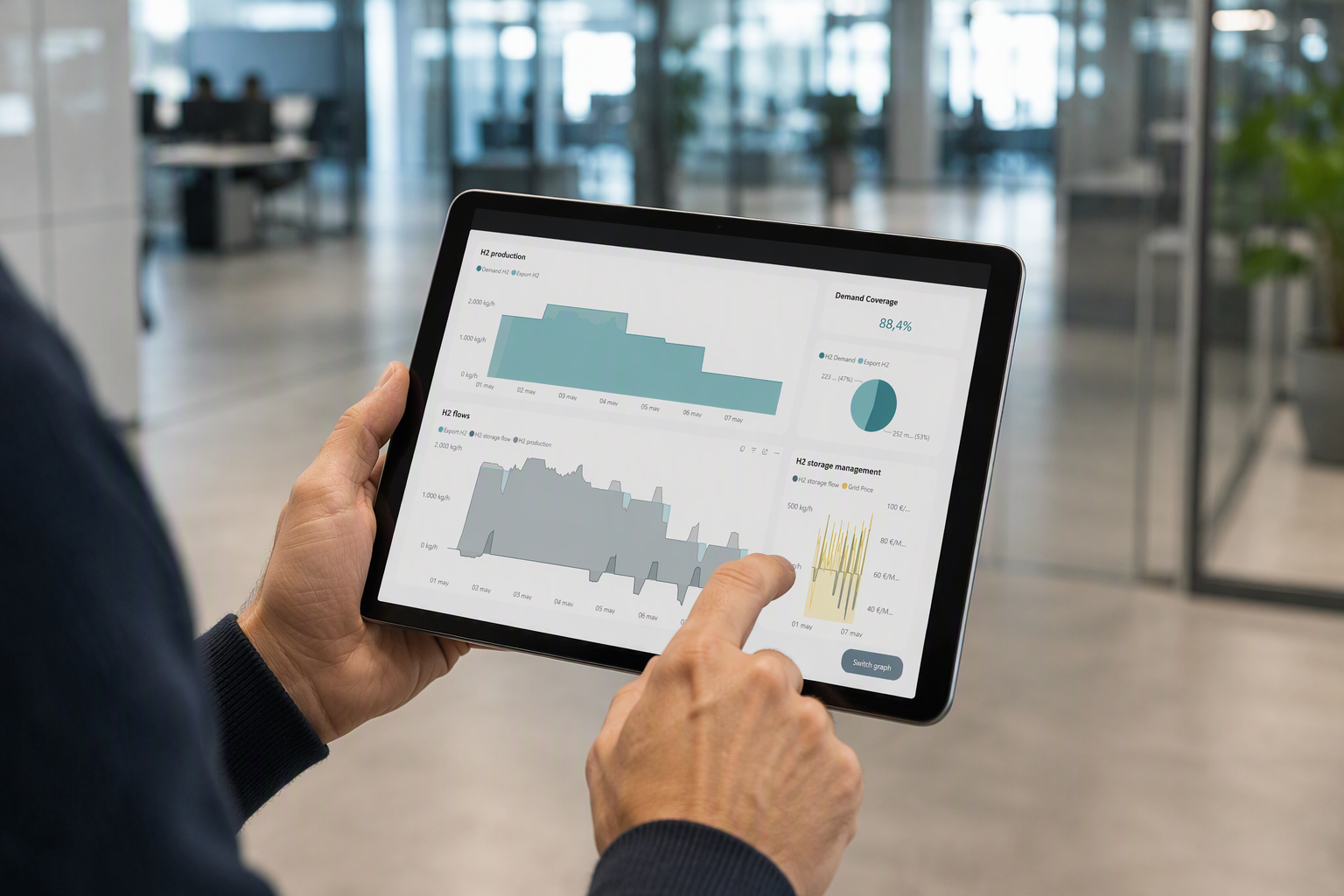
The tool resulting from this collaboration, known as the Sustainable Cattle Footprint and available free of charge at huellavacunosostenible.eu, is presented as a key IT solution for the sector. Its aim is to provide a simple, accessible and methodologically rigorous system that enables livestock farms and industries to quantify their greenhouse gas emissions and identify areas for improvement.
LCA-based methodology
To ensure accurate measurement, the tool has been designed using the Life Cycle Assessment (LCA) approach, the international benchmark for assessing the environmental impact of production systems. This model analyses emissions by taking into account all stages of the process, thereby avoiding a narrow focus or the shifting of impacts between different phases.
Thus, the system covers everything from the production of feed and fodder, the use of synthetic fertilisers, energy consumption, manure management, transport and industrial processing. Furthermore, the platform aligns with official reporting frameworks by using the emission factors from the Ministry of Agriculture contained in the Spanish Inventory System (SEI).
From a technical perspective, to simplify the collection of all these variables, the platform features an application programming interface (API) that allows direct connection to the enterprise resource planning (ERP) systems used on farms and in the meat industry. This integration automates the transfer of information, eliminating the need for duplicate data entry and ensuring fast, reliable and error-free calculations. Furthermore, for facilities that do not have management software in place, the platform’s interface provides an optimised manual input option, allowing activity data to be recorded quickly and easily, ensuring immediate and reliable calculations in both cases.
A decade of collaboration
This entire technological framework is the result of more than a decade of collaboration between NEIKER and Provacuno. Through this project, the technology centre has put its accumulated expertise in the development of environmental methodologies into practice, translating this specialist knowledge into a digital solution that is being rolled out in stages.
In the first phase, the livestock module has been launched, enabling the production sector to specifically evaluate suckler cow (cow-calf) and fattening models.
“The software processes the livestock activity data entered by the user and generates detailed reports, broken down by scope and by type of greenhouse gas (CO₂, CH₄ and N₂O). This enables the specific impact of each source to be analysed, such as enteric fermentation, manure management, feeding or transport. By expressing the results per hectare and per unit of product (kilogram of live weight or carcass weight), the farmer can make rigorous comparisons with industry benchmarks or their own historical data, which facilitates the identification of areas for improvement and data-driven strategic decision-making,” explains Óscar del Hierro, a researcher in NEIKER’s Department of Natural Resource Conservation.
Full value chain module
Monitoring of the entire value chain will be completed this coming September with the launch of the tool’s second phase, when the industrial module responsible for incorporating the impact of the slaughterhouse will be added.
This entire process of developing and launching the software application forms part of the “Sustainable European Beef” (SEUB) Promotion Plan, a three-year initiative co-financed by European funds and led by Provacuno in Spain alongside the organisation Apaq-W in Belgium.